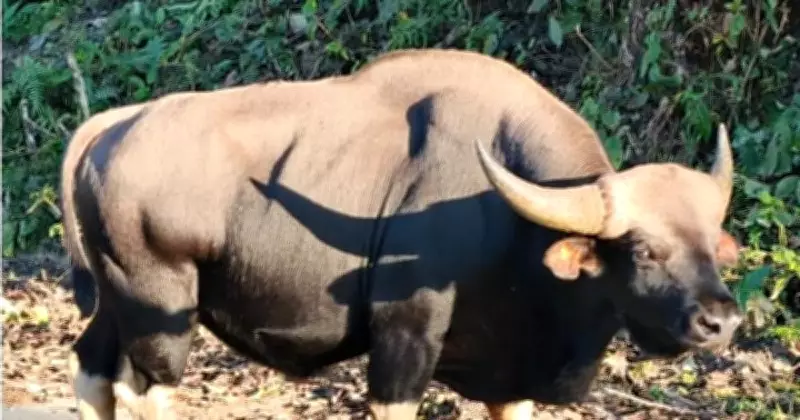
Researchers from the National Research Centre on Mithun (NRCM) in Nagaland, under the Indian Council of Agricultural Research (ICAR), have sequenced the complete genomes of 11 Siangmi mithuns, a unique bovine species found in Arunachal Pradesh. The study identified nearly five million high-quality genetic markers, creating the most detailed genomic profile of the animal ever assembled.
Genomic breakthrough for conservation
The genome sequencing provides crucial insights into the genetic diversity and population structure of the Siangmi mithun, which is culturally and economically significant for the indigenous communities of Arunachal Pradesh. According to the researchers, this data will help in formulating effective conservation strategies, including breeding programs to maintain genetic health and adaptability.
Significance of the Siangmi mithun
The Siangmi mithun, also known as the gayal or mithun, is a semi-domesticated bovine species that plays a vital role in the livelihoods and traditions of tribes such as the Adi, Nyishi, and Apatani. It is used for meat, milk, and as a symbol of wealth and status in social ceremonies. However, the population faces threats from habitat loss, inbreeding, and disease, making genomic studies essential for its long-term survival.

Details of the study
The NRCM team collected blood samples from adult female Siangmi mithuns in Basar, Arunachal Pradesh. Using advanced sequencing technologies, they mapped the complete genome and identified millions of single nucleotide polymorphisms (SNPs) and other genetic markers. This resource will enable researchers to track genetic variation, identify traits related to disease resistance and adaptation, and guide selective breeding.
Impact on future conservation
Dr. S. K. Das, a senior scientist at NRCM and lead author of the study, stated, 'This genomic database is a game-changer for mithun conservation. It allows us to monitor genetic erosion and implement science-based management practices.' The findings have been published in a peer-reviewed journal, and the data is available for global researchers to support further studies on bovine genetics and conservation.