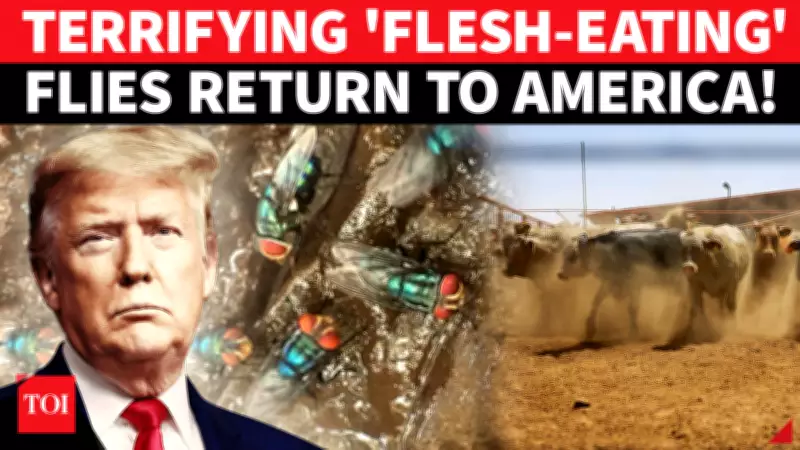
A flesh-eating parasite has re-emerged in the United States, posing a severe threat to Texas cattle herds and potentially driving beef prices even higher. The New World screwworm outbreak has sparked urgent containment efforts to prevent further spread and mitigate billions of dollars in economic losses.
What Is the New World Screwworm?
The New World screwworm (Cochliomyia hominivorax) is a parasitic fly whose larvae infest open wounds of warm-blooded animals, including livestock and humans. Unlike other maggots that feed on dead tissue, screwworm larvae consume living flesh, causing severe injury and often death if untreated. The parasite was eradicated from the U.S. and Central America decades ago through sterile insect technique programs, but recent outbreaks in Florida and now Texas have raised alarms.
Impact on Texas Cattle Industry
Texas is the largest cattle-producing state in the U.S., with over 13 million head. An uncontrolled screwworm outbreak could lead to massive livestock losses, reduced milk and meat production, and increased veterinary costs. The U.S. Department of Agriculture estimates that a widespread infestation could cost the cattle industry billions of dollars annually, with ripple effects on beef prices for consumers.

Containment and Response Efforts
Federal and state agencies, including the USDA and Texas Animal Health Commission, have implemented emergency measures. These include quarantine zones, mandatory inspections of livestock shipments, and distribution of sterile screwworm flies to disrupt the pest's reproductive cycle. The USDA's sterile insect technique facility in Panama is ramping up production to release millions of sterile flies over affected areas.
Are Food Supplies Safe?
Officials assure that screwworm infections do not pose a direct threat to properly processed meat products. However, the outbreak could reduce cattle numbers and increase production costs, potentially leading to higher beef prices at grocery stores. Consumers are advised that rigorous inspection protocols are in place to ensure food safety.
The situation remains critical as authorities work to contain the parasite before it spreads to other states. Livestock owners are urged to monitor animals for signs of infestation, such as wounds with maggots, and report suspected cases immediately.