

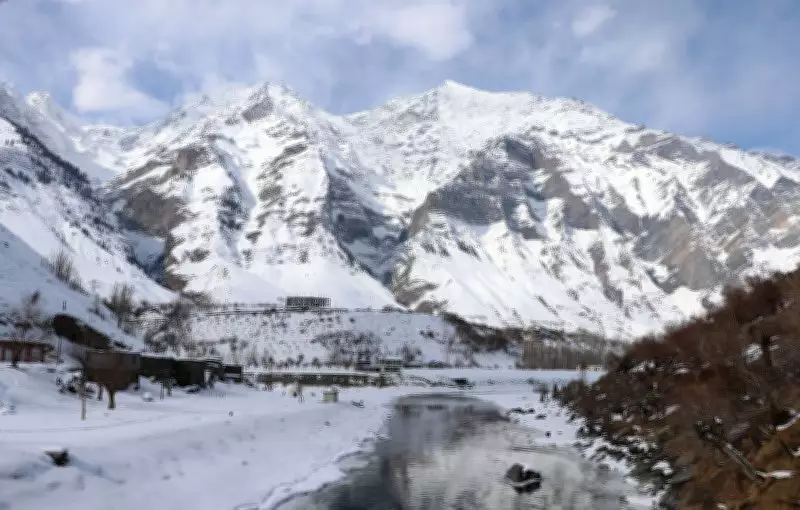
The District Disaster Management Authority (DDMA) of Lahaul-Spiti has made prior registration and permission compulsory for all trekking activities in the district. The directive, issued by Deputy Commissioner and DDMA Chairperson Kiran Bhadana, aims to regulate trekking in the high-altitude region, which is increasingly vulnerable to natural hazards and extreme weather conditions.
Registration and Route Approval Requirements
Under the new guidelines, trekkers must register with an officer authorised by the DDMA before commencing their expedition. During registration, they must provide complete details of their trekking itinerary, proposed route, team composition, and emergency contact information. The administration has directed trekkers to restrict themselves to approved routes and avoid entering restricted or high-risk areas.
The advisory, issued under the Disaster Management Act, 2005, and the Indian Forest Act, 1927, states that no individual or group will be allowed to undertake trekking without prior approval. Unauthorised trekking will attract legal action, including penalties and fines under relevant laws.

Safety Gear and Group Trekking Encouraged
Trekkers are required to carry adequate safety gear, including warm clothing, rain protection equipment, first-aid kits, sufficient food supplies, and drinking water. Proper acclimatisation before high-altitude treks has also been emphasised. The DDMA has discouraged solo trekking and urged visitors to travel in groups.
A mandatory “check-out” process requires trekkers to inform the authorised officer upon their safe return. Failure to report back may lead the administration to initiate Search and Rescue (SAR) operations.
Emergency Contacts and Environmental Responsibility
In case of emergencies, visitors can contact the District Emergency Operations Centre (DEOC), Lahaul-Spiti, on 94594-61355, 01900-202509, 510, 517, or the toll-free helpline 1077. Trekkers have also been urged to maintain cleanliness and avoid littering along trekking routes.
According to Deputy Commissioner Kiran Bhadana, the new regulations are intended to enhance safety, improve emergency response mechanisms, and ensure better monitoring of trekking activities while preserving the fragile mountain environment.






