Wildlife Board Approves 40% Increase in Safari Trips
The Karnataka State Wildlife Board has granted approval for a 40% increase in the number of safari trips at Bandipur and Nagarahole tiger reserves, reversing a suspension imposed in November 2025. The decision comes after a technical committee studied the impact of tourism on human-wildlife conflict in the region.
Background of the Suspension
Safari operations were halted in both reserves in November 2025 following complaints from local farmers who attributed a rise in tiger conflict incidents to increased commercial activity. Farmers reported that frequent vehicle movements and tourist presence disrupted wildlife behavior, leading to more frequent encounters between tigers and humans.
The state government subsequently constituted a technical committee comprising wildlife experts, forest department officials, and representatives from the tourism sector to assess the situation and recommend measures.

Committee Findings and Recommendations
The committee, after a detailed study, concluded that while there is a correlation between tourism and wildlife disturbance, a complete ban on safaris was not necessary. Instead, it recommended a controlled increase in safari trips with enhanced monitoring and regulation. The committee suggested that a 40% increase from the pre-suspension levels would be sustainable if accompanied by strict adherence to guidelines.
According to a senior forest department official, the committee found that the previous cap of 30 safari vehicles per day could be raised to 42, provided that routes are rotated and vehicle speeds are limited. The official stated, "The increase is based on scientific assessment of carrying capacity and will be implemented with additional safeguards."
Impact on Conservation and Tourism
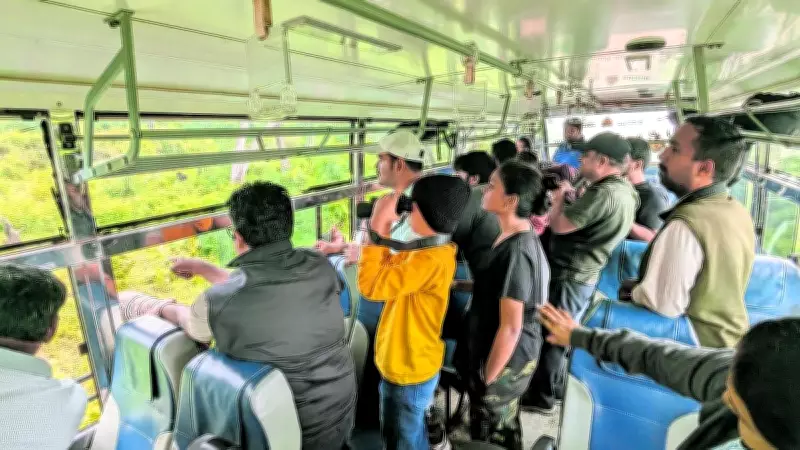
The decision is expected to boost local tourism, which had suffered due to the suspension. Bandipur and Nagarahole are among India's most popular wildlife destinations, attracting thousands of visitors annually. The 40% increase will allow more tourists to experience the reserves, generating revenue for the state and local communities.
However, conservationists have expressed caution. Some environmental groups argue that any increase in tourism could exacerbate stress on wildlife. They have called for strict enforcement of guidelines, including no-entry zones during breeding seasons and real-time monitoring of vehicle movements.
Farmers in the region have mixed reactions. While some welcome the potential economic benefits, others remain concerned about safety. A farmer from a village near Bandipur said, "We hope the forest department ensures that the new rules are followed. Our livelihoods and safety must not be compromised."
Implementation and Future Measures
The Karnataka Forest Department will implement the increased safari quota starting from July 2026. Additional measures include training for safari drivers and guides on minimizing disturbance, installation of speed governors in vehicles, and deployment of more forest guards along conflict-prone routes.
The wildlife board has also directed the formation of a local committee involving farmers, tour operators, and forest officials to address grievances promptly. The board stated that the situation will be reviewed after six months to assess the impact of the increased trips.