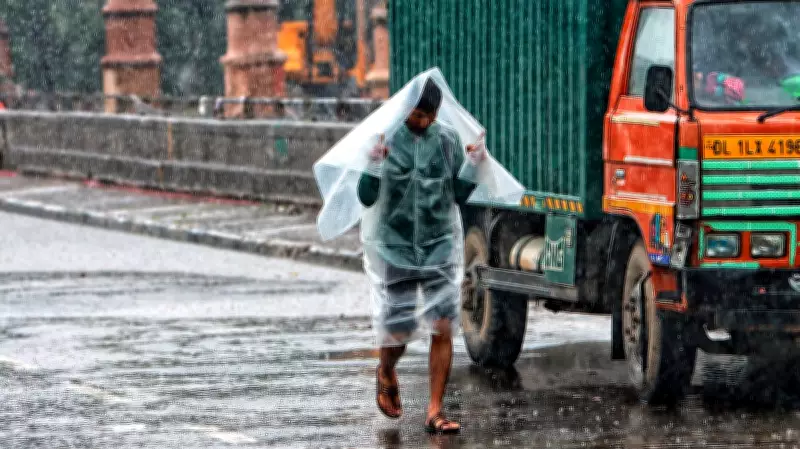
Chikkamagaluru district in Karnataka has recorded a 58% monsoon deficit as of June 24, 2026, marking the worst shortfall in 56 years. The limited rainfall has been scattered and uneven, resulting in the large deficit, according to the Karnataka State Natural Disaster Monitoring Centre (KSNDMC).
Record deficit compared to historical data
The current deficit surpasses previous lows, with the district receiving only 42% of its normal rainfall for the period. KSNDMC data shows that the average rainfall for Chikkamagaluru from June 1 to June 24 is typically around 120 mm, but this year only about 50 mm has been recorded. This is the lowest since records began in 1970.
Impact on agriculture and water resources
The deficit has raised concerns among farmers, particularly those cultivating coffee, tea, and paddy. Coffee growers, who rely heavily on the monsoon for flowering and fruit development, fear reduced yields. Water levels in major reservoirs like the Bhadra and Hemavathi are also below normal, potentially affecting drinking water supply and hydropower generation.

Karnataka's Deputy Commissioner of Chikkamagaluru, M.V. Venkatesh, stated, "We are monitoring the situation closely and have advised farmers to delay sowing until rainfall improves. The district administration is prepared to declare drought if the deficit continues."
Uneven rainfall distribution
The rainfall has been highly uneven, with some areas receiving isolated heavy showers while others remain dry. For instance, the talukas of Koppa and N.R. Pura have seen slightly better rainfall, but Mudigere and Kalasa are facing acute shortages. This patchy pattern has made it difficult for farmers to plan agricultural activities.
Comparison with other districts
Chikkamagaluru's deficit is the highest in Karnataka this year, though other districts like Hassan and Shivamogga have also reported shortfalls of 30-40%. The state as a whole is facing a 20% deficit, according to the India Meteorological Department (IMD).
Forecast and outlook
The IMD has predicted normal rainfall for the rest of the monsoon season, with a possible revival in July. However, experts caution that recovery may not fully compensate for the early deficit. KSNDMC officials recommend rainwater harvesting and efficient water use to mitigate the impact.