Alphabet's self-driving car unit, Waymo, has announced a significant software update for its entire fleet. This move comes directly in response to a major power outage that hit San Francisco last week, which left several of its autonomous vehicles stranded on city streets.
The San Francisco Blackout Challenge
A widespread temporary power blackout struck the San Francisco Bay area last week, affecting nearly one-third of the city. The incident, caused by utility company PG&E, knocked out stoplights and traffic signals, leading to severe city-wide gridlock. The situation was so critical that the San Francisco Department of Emergency Management advised residents to stay home.
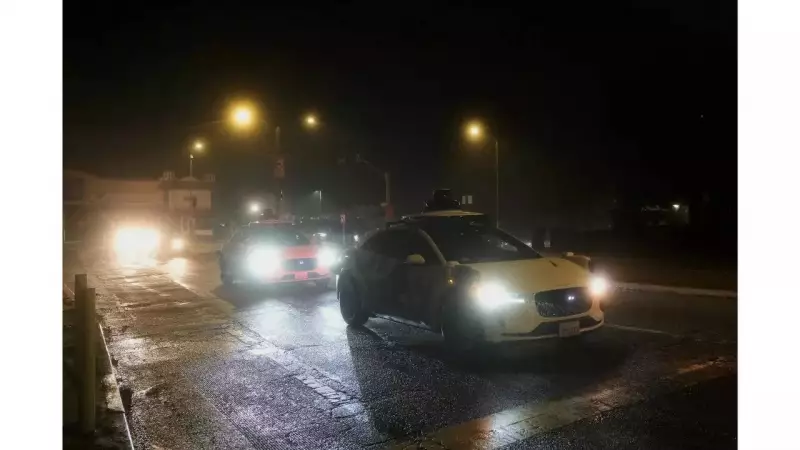
During the chaos, many Waymo cars were seen stopped on roads, struggling to navigate intersections with non-functional signals. In a contrasting claim, Tesla CEO Elon Musk stated that Tesla vehicles continued to operate. The incident put the capabilities of fully autonomous technology under intense public scrutiny.

Waymo's Response and Analysis
On December 23, three days after the event, Waymo published a detailed blog post addressing the issue. The company acknowledged that while its "Waymo Driver" is designed to treat dark traffic signals as four-way stops, the scale of this outage presented a unique challenge.
The system, out of an abundance of caution, sometimes requests a remote confirmation check to ensure the safest choice. On that Saturday, the vehicles successfully navigated over 7,000 dark signals. However, the concentrated spike in confirmation requests created a backlog, leading to delays that contributed to the existing congestion.
As the outage persisted and city officials urged people to clear the streets for first responders, Waymo made the decision to temporarily pause its service in the affected area. The company directed its fleet to pull over safely and return vehicles to depots in waves to avoid adding to the obstruction.
Three Immediate Steps Forward
In its statement, Waymo emphasized its mission to develop technology for the real world, "including when infrastructure fails." The company outlined three immediate actions it is taking based on lessons learned from the PG&E outage:
1. Integrating More Outage Information: Waymo is rolling out a fleet-wide update that provides vehicles with specific context about regional power outages. This will allow the autonomous system to navigate dark intersections more decisively without excessive reliance on confirmation checks.
2. Updating Emergency Protocols: The company is revising its emergency preparedness and response plans, incorporating insights from this event. Waymo has pledged continued coordination with San Francisco Mayor London Breed's office to enhance collaboration in emergency scenarios.
3. Expanding First Responder Training: Waymo has trained over 25,000 first responders globally on interacting with its vehicles. It now plans to update this training with learnings from the San Francisco blackout and other large-scale events.
Backed by more than 100 million miles of fully autonomous driving experience, Waymo stated it remains "undaunted" in its mission to improve road safety. The company expressed gratitude to San Francisco's first responders and reiterated its commitment to serving the city's residents and visitors.