In a remarkable turn of events, a book that Silicon Valley tried to ignore 25 years ago is now becoming essential reading for understanding the tech industry's current crisis of conscience. Paulina Borsook's Cyberselfish, published in 2000 and long out of print, is experiencing an unexpected revival as technology workers and observers seek explanations for how the industry lost its moral compass.
The Prophet Silicon Valley Ignored
Borsook's prescient work identified the seeds of disaster during the late-1990s dot-com boom, arguing that it transformed what was once a sober, civic-minded community into something toxic. Her concept of techno-libertarianism described a culture that hated governments, rules, and regulations while believing that wealth equaled intelligence and that people could be programmed like computers.
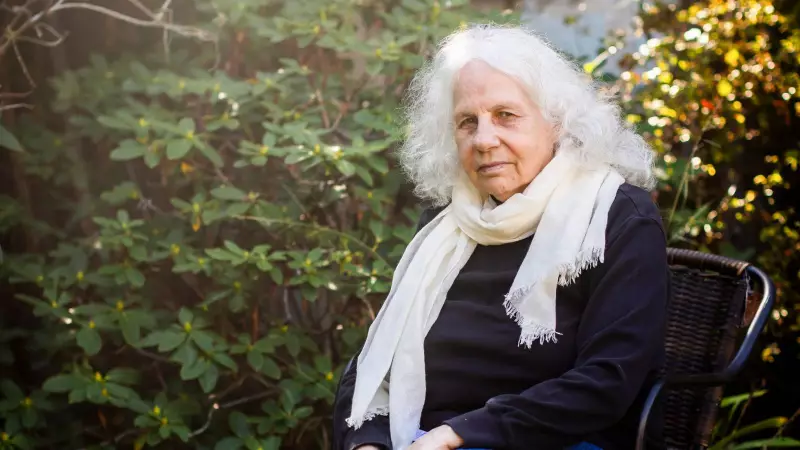
At 71 and in poor health, Borsook now lives precariously in the East Bay of San Francisco, dependent on a GoFundMe that friends established. Her career never recovered from what she calls T.D.B. - That Damn Book - and she spent years as an Airbnb superhost in exchange for free rent after the book's publication effectively ended her writing career.

Why Cyberselfish Matters Today
Borsook's revival began in May 2025 with Jonathan Sandhu's radical political criticism site, FakeSoap, and accelerated with Gil Duran's podcast The Nerd Reich. Their interview with Borsook garnered more than 120,000 views on YouTube within three weeks, sparking renewed interest in her long-forgotten work.
The timing coincides with significant soul-searching within the tech industry. A 2024 poll revealed that more than two-thirds of Silicon Valley residents believe tech companies have partially or completely misplaced their moral compass. This sentiment has only intensified since many in tech embraced the Trump administration.
Even veteran tech journalist Steven Levy, who chronicled Silicon Valley's rise for decades, recently published a Wired article titled I Thought I Knew Silicon Valley. I Was Wrong, expressing surprise at how quickly tech leaders aligned themselves with Donald Trump despite his values clashing with the digital revolution's egalitarian impulses.
The Personal Story Behind the Prediction
Borsook's unique perspective stemmed from both her deep Silicon Valley experience and personal tragedy. Growing up in Pasadena during the 1960s engineering culture that made moonshots and the internet possible, she suffered a traumatic brain injury at age 14 when a friend accidentally shot her with a Colt .45.
This injury limited her career options, leading her to computers and technology journalism. She worked at Data Communications magazine and witnessed Bill Gates introduce Microsoft Windows in 1984. Unlike many of her contemporaries, she viewed technology as practical infrastructure rather than magic - similar to how many engineers thought at the time.
As an early contributor to Wired magazine, Borsook was one of the few women in the publication's early days. However, she grew increasingly uncomfortable with the magazine's cozy relationship with the industry it covered, particularly when Wired editors developed a list of hot stocks and licensed the magazine's name to an actual investment fund.
From Obscurity to Validation
The renewed interest in Cyberselfish has created unprecedented demand for the long-out-of-print book. Secondhand copies have completely disappeared from the market, with Amazon showing no availability and libraries reporting they don't have copies. Would-be readers have placed wanted notices on social platform X, while international publishers are inquiring about republishing rights.
Borsook's champions are celebrating her on social media, with speculative fiction writer Charlie Jane Anders boasting: I was quoting Paulina Borsook before it was cool!
Reflecting on her predictions coming true, Borsook stated: If empathy has now become a distasteful personal failing; if surveillance capitalism has become the default shrugged-off business practice; if the environmental impacts of AI are waved away: then we are alas living in the tech-driven culture I saw headed our way 30 years ago. It's terrible that I was right.

A Path Forward for Silicon Valley
In the latest issue of the irregular tech-critical magazine In Formation, Borsook proposes a Silicon Valley Truth and Reconciliation Commission. She imagines testimony from tech journalists turned investors, reporters turned celebrants, and confessions from those who created terms like sharing economy, disruptive innovation, and thought leader.
When her editor asked if this proposal was humor or serious, Borsook responded: I don't know. Her attitude toward technology remains consistent - she still believes in regulation and the public good, maintaining that markets cannot and should not provide everything.
Even Wired magazine, once a booster of Silicon Valley's techno-utopian vision, has become increasingly critical, recently producing content questioning whether the U.S. has become a surveillance state. As Borsook's once-controversial ideas gain mainstream acceptance, her story serves as both a cautionary tale and a potential roadmap for understanding how technology's promise became today's complex reality.