

Indian-Origin Tech Founder's DoorDash Mix-Up Goes Viral in San Francisco
A lighthearted moment in San Francisco has captured widespread attention online after an Indian-origin tech entrepreneur shared a humorous story about being mistaken for a DoorDash delivery worker. The incident, which highlights the increasingly blurred lines between tech culture and the gig economy in the city, quickly resonated with thousands of social media users.
The Viral Exchange: "SF is Cooked"
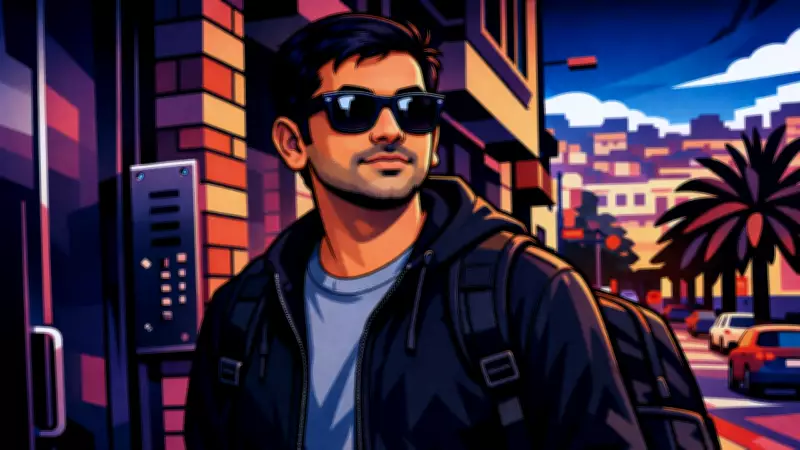
The founder, Mehul Agarwal from the Winter 2025 batch of prestigious startup accelerator Y Combinator, was dressed in what many would consider classic Silicon Valley attire. He wore a Y Combinator jacket, carried a Carnegie Mellon backpack, and sported Meta Ray-Bans smart glasses. Despite these apparent markers of tech insider status, a fellow Indian resident approached him and asked if he was "from DoorDash," referring to the popular US food delivery platform.
Agarwal shared the brief exchange online with the punchline "SF is cooked," a phrase that has become internet shorthand for expressing both frustration and humor about San Francisco's evolving identity. The post immediately struck a chord, with many recognizing the irony of the situation.

When Tech Status Symbols Fail to Communicate
What made the moment particularly noteworthy was not any sense of offense, but rather the complete misrecognition. In previous eras, Agarwal's outfit would have clearly signaled his position within elite tech circles. The Y Combinator jacket alone has long been considered a badge of honor in startup communities, while Carnegie Mellon merchandise typically indicates a computer science background from one of the world's top technology universities.
Meta Ray-Bans, with their integrated technology, represent the cutting edge of wearable tech. Yet in today's San Francisco, these symbols no longer guarantee clear communication of professional identity or success.
The Convergence of Tech and Gig Economy Aesthetics
Agarwal, a Carnegie Mellon computer science and machine learning alumnus who now runs an AI filmmaking startup, represents the modern founder whose everyday clothing reflects startup life rather than corporate formality. This casual, functional uniform—often consisting of branded jackets, practical backpacks, and tech accessories—now closely resembles what is commonly worn by gig workers navigating the city's streets and apartment buildings.
Delivery couriers from platforms like DoorDash, Uber Eats, and Instacart have become a constant presence in San Francisco. They are frequently seen waiting outside residential complexes with backpacks and phones in hand, ready to pick up or deliver orders. As app-based delivery work has become ubiquitous, the visual cues that once hinted at profession or socioeconomic status have significantly blurred.
Changing Symbols in a Transformed City
The items that once served as shorthand for elite tech circles—Meta Ray-Bans, Y Combinator jackets, and university-branded backpacks—are now widely accessible and worn across diverse professions. From startup founders and engineers to freelancers and delivery workers, these items have become part of a shared urban aesthetic that makes class lines harder to read.
Agarwal's joke highlights how these symbols no longer clearly communicate success or seniority in a city saturated with startups, side hustles, and platform labor. The responses to his post reflected widespread recognition rather than surprise, with many commenters seeing it as a lighthearted but accurate snapshot of contemporary San Francisco.
Broader Implications for San Francisco's Identity
While shared as humor, the viral moment points to broader realities shaping modern San Francisco. The city has been fundamentally reshaped by several converging forces:

- The rise of remote work changing traditional office culture
- Skyrocketing living costs affecting who can afford to live in the city
- The dominance of app-based labor platforms creating new economic realities
- The democratization of tech accessories and clothing
In this transformed environment, appearances tell fewer stories than they once did. The convergence of tech and gig economy aesthetics means that standing outside an apartment building with a backpack can lead to assumptions about being a delivery courier, regardless of one's actual background or profession.
The viral post serves as a cultural marker of how San Francisco's identity continues to evolve. Even traditional markers of tech success—like a Y Combinator jacket and Meta Ray-Bans—are no longer sufficient to clearly communicate who someone is in a city where startup founders can blend seamlessly into the gig economy landscape, and where visual cues have lost much of their former signaling power.





