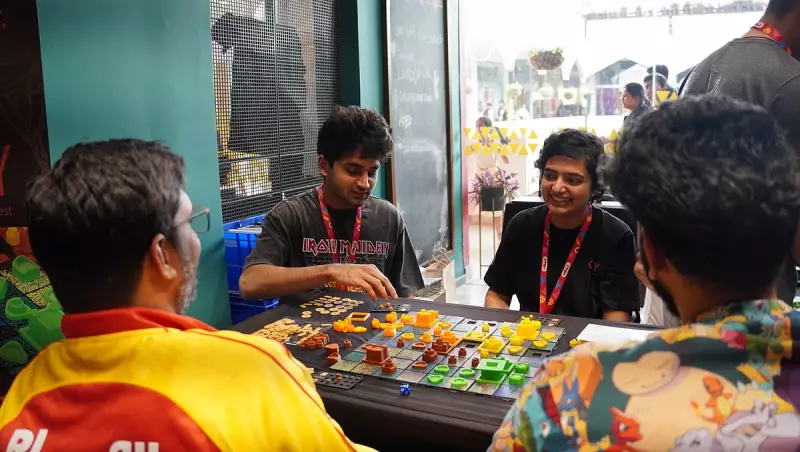
The familiar clatter of dice and the strategic placement of game pieces are getting a distinctly Indian makeover. Across the country, a quiet revolution is unfolding on tabletops, as homegrown board games gain significant traction, challenging the long-standing dominance of Western imports.
From Ancient Roots to Modern Tabletops
This resurgence is not merely about entertainment; it's a cultural reconnection. Indian creators are diving into the nation's rich history, mythology, and folklore to design experiences that resonate deeply with local players. Brands like Kreeda have been pivotal in this movement, reviving and repackaging traditional games such as Pachisi, Chausar, and Gilli Danda for contemporary audiences.
The appeal is multifaceted. For families, these games offer a bridge between generations, allowing grandparents to share games from their childhood. For younger players, they provide a fun, tactile break from digital screens. Industry insiders note that this segment has been growing steadily at about 20-30% annually, a trend accelerated by the pandemic-induced search for in-home social activities.

Bengaluru: A Hub for Game Design Innovation
The southern city of Bengaluru, India's tech capital, has unexpectedly become a nurturing ground for this analog renaissance. A vibrant community of designers, artists, and entrepreneurs here is blending modern game mechanics with Indian themes. Game nights at local cafes and dedicated stores are becoming increasingly popular, providing crucial testing grounds and visibility for new titles.
Creators are moving beyond just traditional revival. New games are being built around Indian corporate life, historical events, and even local festivals. This design philosophy ensures the gameplay and narratives feel familiar and engaging to the Indian consumer, setting them apart from the generic themes of many international board games.
Challenges and the Road Ahead for Local Creators
Despite the enthusiasm, the path for Indian board game makers is not without hurdles. They face stiff competition from well-established global giants with massive marketing budgets. Production costs for high-quality components can be high, and achieving nationwide distribution remains a complex challenge for many small studios.
However, a strong sense of community and collaboration among indie designers is proving to be a key strength. Crowdfunding platforms have also emerged as a vital tool, allowing creators to gauge interest and secure funding directly from their audience before going into production.
The future looks promising. As more Indians seek out authentic, culturally relevant experiences in their leisure time, the demand for Indian-made board games is poised to climb further. This trend signifies more than just a shift in consumer choice; it represents a growing confidence in local creativity and a desire to see India's stories played out, one move at a time.