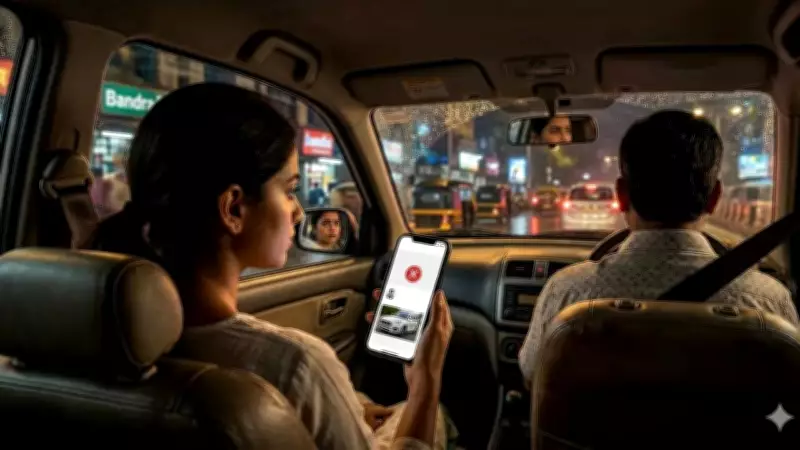
Mumbai Uber Incident: Driver-Car Mismatch Sparks Passenger Safety Concerns
Ride-hailing services like Uber and Ola are generally considered safe transportation options, but occasional incidents reveal vulnerabilities that can put passengers at risk. A recent case in Mumbai has highlighted how seemingly routine bookings can turn into unsettling experiences when basic verification protocols fail.
The Disturbing Mumbai Incident
In Mumbai, a woman booked an Uber cab for a journey from Andheri to Bandra, expecting the seamless experience that has made ride-hailing services popular across India. However, when the vehicle arrived, she immediately noticed discrepancies between the actual car and driver and the details displayed on her Uber application.
The number plate and driver identification did not match what her app showed. When she politely inquired about these inconsistencies before entering the vehicle, the driver responded by immediately canceling the ride and driving away from the location.

This created a frustrating situation for the passenger because cancelled rides leave no trace in the app's reporting system, making it impossible to formally report the incident through Uber's standard channels. The passenger was left confused and concerned about what might have occurred had she entered the vehicle without verification.
Viral Social Media Response and User Experiences
The incident gained significant attention after being shared on social media platforms, where it quickly went viral. The original poster intended to caution fellow riders about the importance of verifying driver and vehicle details before beginning any trip.
The post generated substantial engagement, with numerous users sharing their own experiences and opinions:
- Several people reported facing similar issues with cancelled rides due to incorrect driver or vehicle details
- Some speculated this could result from shared credentials or unauthorized device usage
- Multiple users suggested taking screenshots of booking details as evidence for reporting purposes
- Others emphasized contacting local police if passengers feel unsafe during any ride-hailing experience
This collective response highlighted a broader concern among regular users about the limitations of current safety features, particularly when rides are cancelled before they officially begin.
Expert Safety Recommendations for Ride-Hailing Users
Transportation safety experts emphasize that while such incidents are relatively rare, passengers should adopt specific verification practices to ensure their security. These simple checks can significantly reduce risks during ride-hailing experiences.
Before Entering Any Vehicle:
- Thoroughly verify all details: Carefully check the car number, vehicle model, and driver photograph against what your app displays. Every element should match perfectly.
- Utilize verification systems: For Uber rides, use the 4-digit PIN verification feature before the trip begins. For Ola, confirm the OTP before starting your journey.
- Share trip information: Activate live trip sharing with family members or trusted friends through the app's tracking features.
- Check vehicle accessibility: Ensure child locks are disengaged so you can exit quickly if necessary.
Additional Safety Measures:
- Politely ask drivers to show official identification and compare it with app photographs
- Conduct a visual inspection of the vehicle, including stickers, number plates, and overall condition
- Monitor your route through the app's mapping feature and question any unusual detours
- Always use your personal device for bookings rather than shared accounts or unfamiliar devices
Waiting Safely and Proactive Precautions
Safety experts also recommend specific practices while awaiting your ride:
Choose well-lit, busy areas for pickup locations whenever possible. Consider waiting inside nearby shops, offices, or buildings until your vehicle arrives. Remain attentive to your surroundings rather than becoming distracted by phones or music during this waiting period.

Vigilance remains the cornerstone of passenger security. Experts stress booking exclusively through official applications and avoiding sharing personal information with drivers. The Mumbai incident demonstrates that while technology facilitates convenience, human verification remains essential for safety.
Some social media users have suggested that ride-hailing platforms could enhance their systems by maintaining logs of cancelled rides with mismatched details, allowing for investigation and potential account suspension when patterns of suspicious behavior emerge.