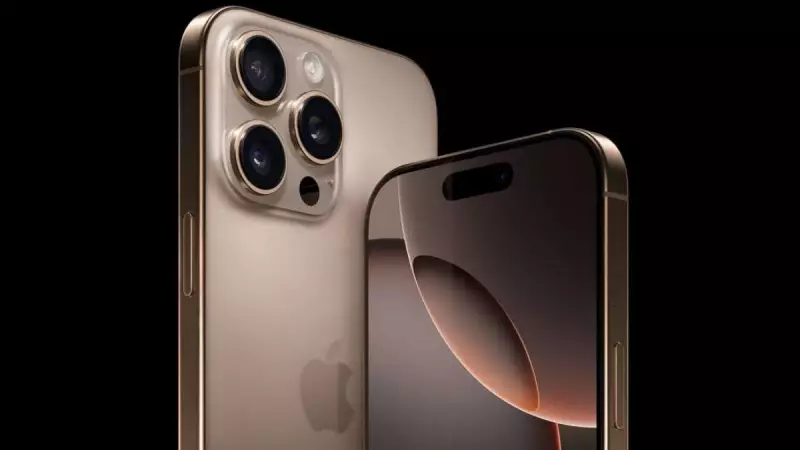
In a move that could disrupt the tech industry's annual calendar, Apple Inc. is reportedly considering a significant delay for its flagship smartphone. According to a recent analysis, the tech giant might push back the launch of the highly anticipated iPhone 18 series by a full year, potentially releasing it in 2027 instead of the expected 2026 timeframe.
Breaking the Annual Cycle: A Major Strategic Pivot
For nearly two decades, Apple has adhered to a predictable and highly successful annual release schedule for its iPhone lineup. This rhythm has conditioned consumers and investors alike to expect new models each fall. However, this long-standing tradition may be on the verge of a major change. The potential delay of the iPhone 18 series represents more than just a postponed product; it signals a fundamental reconsideration of Apple's go-to-market strategy in an evolving technological and economic landscape.
The core of this strategic shift appears to be driven by the need for more substantial technological leaps between generations. With smartphone innovation reaching a plateau in areas like camera hardware and processor speed, Apple may be seeking extra development time to integrate truly groundbreaking features. Industry analysts suggest the delay could allow Apple to perfect next-generation artificial intelligence capabilities, more advanced display technology, or a complete redesign that justifies a "tick-tock" cycle with longer intervals.

Market Dynamics and Consumer Impact
This potential postponement comes at a critical juncture for the global smartphone market. Sales growth has slowed worldwide, with consumers holding onto their devices for longer periods. In this environment, a delayed launch could serve a dual purpose for Apple. Firstly, it would help manage inventory and reduce the pressure on the supply chain, which has faced numerous challenges in recent years. Secondly, it could create pent-up demand, making the eventual release of the iPhone 18 a more significant event.
For consumers, the immediate implication would be an extended lifecycle for the iPhone 17 series and potentially older models. This could influence buying decisions, with users possibly opting for current models knowing that a successor is not imminent. It also places greater emphasis on software updates like iOS releases to keep existing devices feeling fresh and competitive. The move could inadvertently benefit competitors in the short term, offering Android manufacturers a wider window to capture market attention without a new iPhone launch.
Long-Term Implications for Apple and the Industry
If Apple proceeds with this delay, the repercussions will extend far beyond a single product cycle. A 2027 launch for the iPhone 18 would mark the first major break in the company's annual smartphone release pattern since the original iPhone's debut. This decision would be closely watched by the entire consumer electronics sector, potentially inspiring similar shifts among other manufacturers who often align their release schedules in response to Apple's calendar.
Financially, Apple would need to navigate a fiscal year without the revenue spike typically generated by a new flagship iPhone launch. This would test the strength of its services division and other product lines, such as Macs and Wearables, to sustain growth. However, it could also lead to a more massive sales boom in 2027, as upgrade cycles from multiple previous iPhone generations converge.
Ultimately, this potential strategy underscores a maturation in the smartphone industry. As radical yearly hardware improvements become harder to achieve, companies like Apple are forced to rethink their fundamental business rhythms. The delay of the iPhone 18 to 2027, if confirmed, will not just be about a phone arriving late—it will be a clear indicator that the era of relentless annual hardware upgrades is giving way to a new, more deliberate phase of innovation.