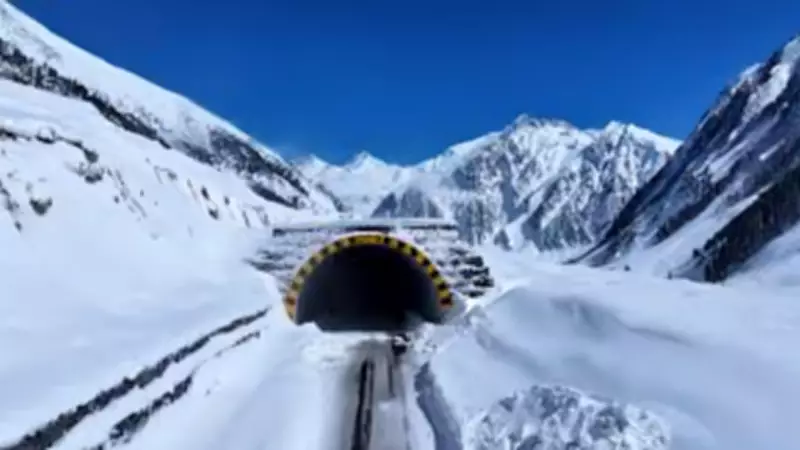
Zojila Tunnel: A Milestone in High-Altitude Engineering
The 13.153-kilometre Zojila Tunnel is poised to achieve its final breakthrough on June 9, marking a significant milestone in one of India's most ambitious infrastructure projects. Upon completion, it will become the world's longest single-tube bi-directional road tunnel and the longest of its kind at such a high altitude.
Constructed beneath the snowbound Zojila Pass, the tunnel will provide year-round connectivity between Kashmir and Ladakh, regions often isolated during harsh winters. This engineering marvel showcases India's growing expertise in high-altitude tunnel construction, overcoming extreme weather and challenging terrain.
Engineering Feats and Challenges
The project involved advanced tunnelling techniques to navigate the rugged Himalayan geology. Engineers used drill-and-blast methods and modern ventilation systems to ensure safety and efficiency. The tunnel's bi-directional design allows traffic to flow in both directions within a single tube, optimizing space and reducing costs.

Strategic and Economic Impact
The Zojila Tunnel will significantly reduce travel time between Kashmir and Ladakh, boosting trade, tourism, and military logistics. It is expected to enhance regional economic development and strengthen national security by providing all-weather access to the strategically important Ladakh region.
Once inaugurated, the tunnel will join other notable Indian infrastructure projects, reflecting the country's commitment to connecting remote areas and fostering growth. The achievement underscores India's capability to execute complex engineering projects at extreme altitudes, setting new benchmarks for the global tunnelling industry.