Windowpane Oyster Shells: Unusual Physics Driving Sustainable Material Research
The marine bivalve Placuna placenta, commonly referred to as the windowpane oyster, is emerging as a focal point in scientific discussions due to its remarkable physical properties. These shells, derived from this unique species, are increasingly being explored for their potential in sustainable materials, coastal ecosystem management, and innovative resource applications.
Unique Physical Characteristics of Placuna Placenta Shells
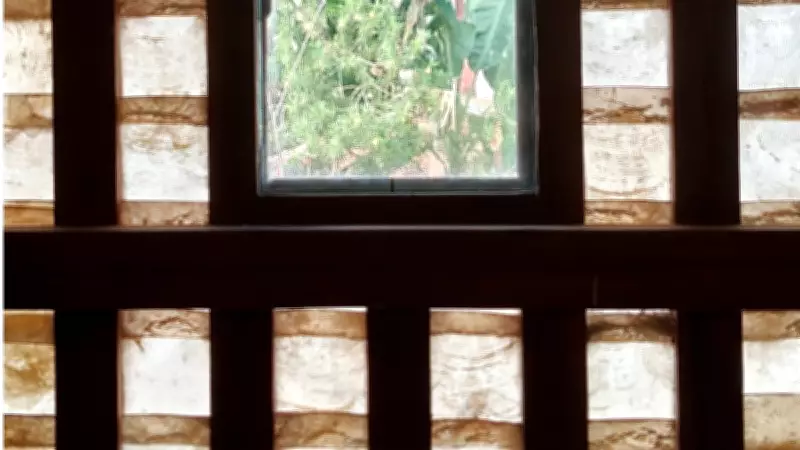
The windowpane oyster shells exhibit unusual physics that distinguish them from other marine materials. Their structure and composition contribute to properties such as transparency, durability, and lightweight nature, making them ideal candidates for various research initiatives. Scientists are delving into how these characteristics can be harnessed for eco-friendly solutions.
Applications in Sustainable Materials and Design
In the realm of sustainable materials, these shells are being studied for their potential in creating biodegradable alternatives to conventional plastics and composites. Researchers are investigating how the shells' natural properties can be integrated into sustainable design practices, reducing environmental impact and promoting circular economy principles.

Role in Coastal Ecosystem Studies
Beyond material science, the Placuna placenta plays a significant role in coastal ecosystem research. Its presence and health are indicators of marine biodiversity and water quality. Studies focus on how these shells contribute to habitat formation and support other marine life, emphasizing the importance of conserving such species for ecosystem balance.
Alternative Resource Utilization and Future Prospects
The exploration of windowpane oyster shells extends to alternative resource use, where they are considered for applications in construction, agriculture, and even medical fields. Future research aims to optimize extraction and processing methods to ensure sustainability, while also assessing the economic viability of scaling up these applications.
Conclusion: The windowpane oyster shell, with its unusual physics, is paving the way for innovative research in sustainable materials, coastal conservation, and resource management. As studies progress, these shells could become key components in addressing global environmental challenges.