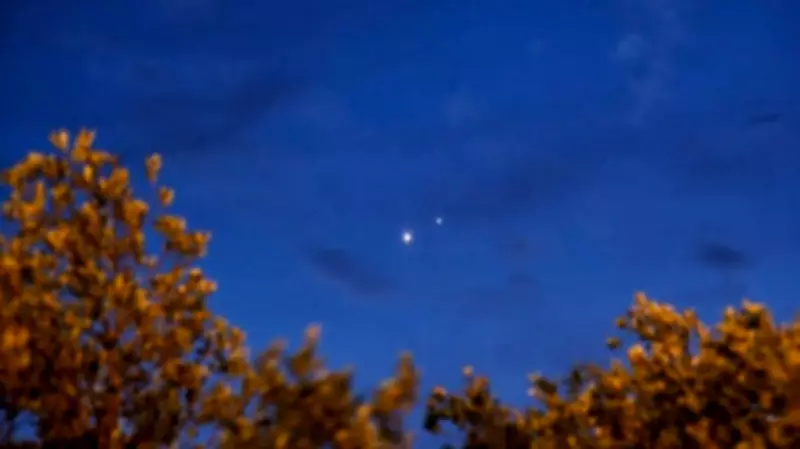
Rare Venus-Jupiter Conjunction to Illuminate June Night Sky
Stargazers and astronomy enthusiasts are in for a treat this June as a rare celestial event unfolds in the night sky. Venus and Jupiter, two of the brightest planets in our solar system, will appear to come extremely close together in a phenomenon known as a planetary conjunction. This spectacular alignment offers a unique opportunity to witness the beauty of our cosmic neighborhood with the naked eye, making it accessible to observers of all ages and experience levels.
What Is a Planetary Conjunction?
A planetary conjunction occurs when two or more planets appear to align closely in the sky from our vantage point on Earth. While they remain millions of miles apart in space, their orbits bring them into a line of sight that makes them seem almost touching. The Venus-Jupiter conjunction is particularly notable because both planets are among the most luminous objects in the night sky, often outshining stars and creating a stunning visual display.
Best Dates and Times for Viewing
The conjunction will be most visible during the first week of June, with peak alignment expected around June 4-5. To maximize your chances of seeing this event, plan to look towards the western horizon just after sunset. The planets will be low in the sky, so it's crucial to find a location with a clear, unobstructed view. Ideal viewing times are typically within an hour after dusk, when the sky is dark enough to spot the planets but before they set below the horizon.

How to Watch Without Special Equipment
One of the most exciting aspects of this conjunction is that no telescopes or binoculars are required. Here are some simple tips to enhance your viewing experience:
- Find a Dark Spot: Escape city lights and light pollution by heading to a rural area or a park with minimal artificial lighting.
- Check the Weather: Clear skies are essential, so monitor local forecasts and choose a night with minimal cloud cover.
- Use Apps or Star Charts: Astronomy apps or printed star maps can help you locate Venus and Jupiter accurately in the sky.
- Be Patient: Allow your eyes to adjust to the darkness for about 15-20 minutes to improve visibility.
Significance and Scientific Interest
Beyond its visual appeal, the Venus-Jupiter conjunction holds scientific value. Astronomers study such events to better understand planetary orbits and celestial mechanics. For amateur observers, it serves as a reminder of the dynamic nature of our solar system and inspires curiosity about space exploration. This conjunction is relatively rare, with similar close approaches occurring only every few years, making it a must-see event for anyone interested in astronomy.
Future Celestial Events to Anticipate
If you miss this conjunction, don't worry—the night sky offers numerous other opportunities for observation. Upcoming events include meteor showers, lunar eclipses, and more planetary alignments. Staying informed through astronomy websites or local planetariums can help you plan for future stargazing adventures. Engaging with such events fosters a deeper appreciation for science and the universe around us.
Remember to share this information with friends and family to spread the joy of celestial watching. Whether you're a seasoned astronomer or a casual observer, the Venus-Jupiter conjunction promises to be a memorable highlight of the June sky.