Space Mirrors to Illuminate Earth at Night: Startup Aims to Extend Daylight with Orbital Satellites
In an ambitious move to brighten the night sky, a company is developing a system to reflect sunlight onto Earth using mirrors placed in orbit. This is not a temporary experiment but a comprehensive network designed to extend daylight hours after sunset. The startup Reflect Orbital is currently awaiting approval from the Federal Communications Commission to test its first satellite, as reported by The New York Times recently. If cleared, the launch could occur within months.
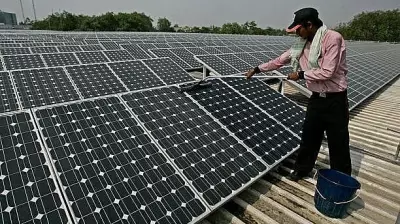
The primary goal is straightforward: enable solar energy to function even when the sun sets. While some scientists express curiosity about the concept, others appear uneasy, and for many people, it sounds like something out of science fiction.
Reflect Orbital's Vision: Satellites with Large Reflective Surfaces
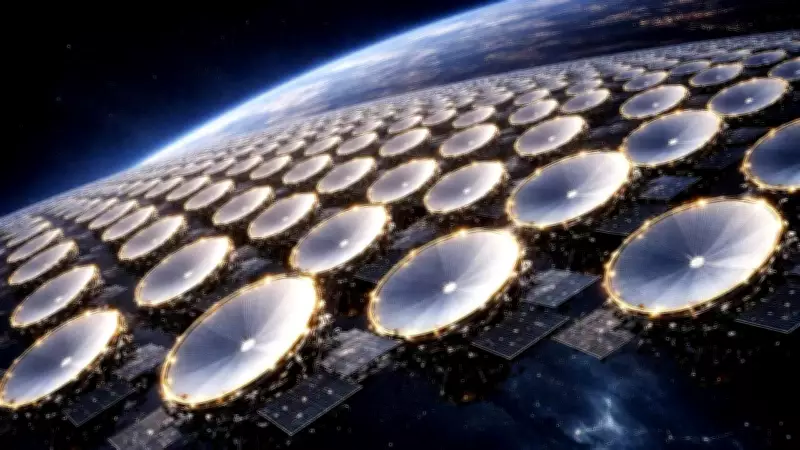
Reflect Orbital plans to deploy satellites into orbit, each equipped with a substantial reflective surface. These are not small mirrors; the initial test version is expected to unfold into a structure approximately 60 feet wide. This mirror would bounce sunlight back to Earth, illuminating a circular area about three miles in diameter. From the ground, the light might appear as bright as a full moon, potentially even more intense under certain conditions.

The long-term vision is far more expansive. The company envisions a network of thousands of satellites, possibly up to 50,000, that can deliver light precisely where needed. This could allow solar farms to continue generating electricity after sunset, provide instant lighting for emergency crews in disaster zones, or enable cities to request temporary illumination for specific events.
Historical Precedents and Efficiency Concerns
Similar ideas have emerged in the past. In the 1990s, a Russian satellite experiment briefly reflected sunlight onto Earth, demonstrating feasibility albeit in a limited and short-lived manner. Earlier proposals suggested using mirrors to protect crops from frost or to light remote regions, indicating that the concept itself is not entirely new.
However, experts have raised questions about the system's actual effectiveness. One astronomer estimated that even with thousands of mirrors, the light reaching a solar farm would be significantly weaker than normal daylight, nowhere near midday levels. This raises doubts about its practical utility for energy generation.
Light Pollution and Environmental Impacts
A major concern is the potential for increased light pollution. Even with careful targeting, some light will scatter through the atmosphere, potentially brightening the surrounding sky more than anticipated. Thousands of satellites already orbit Earth, including large constellations from companies like SpaceX, which sometimes create bright streaks in telescope images and hinder astronomical observations.
Adding mirrors designed to be intentionally bright could exacerbate these issues. A single highly reflective satellite might stand out prominently, and a full network could noticeably alter the appearance of the night sky, affecting both amateur stargazers and professional astronomers.
Effects on Life on Earth
Light influences more than just visibility; it shapes behavior, sleep cycles, migration patterns, and plant growth. Experts warn that artificial light at unusual times could confuse animals, leading birds to migrate at incorrect times, insects to behave differently, or plants to bloom when pollinators are unavailable. Ecosystems are complex and may react unpredictably to such changes.
Humans are not immune either. Exposure to light at night can disrupt sleep patterns, a well-documented issue in urban areas. Extending artificial light into new regions could make this problem more widespread, potentially impacting public health.
Legal Uncertainties and Alternative Approaches
The approval process itself highlights regulatory gaps. The Federal Communications Commission primarily focuses on communication systems and satellite safety, not typically assessing environmental impacts in space. There is no clear global framework for projects that could alter the night sky, and this initiative, if expanded as planned, might do exactly that.

Some experts suggest that alternative methods, such as enhancing lunar reflection or developing more efficient ground-based lighting, might be more feasible and less risky. As Reflect Orbital moves forward, balancing technological innovation with environmental stewardship will be crucial to addressing these multifaceted challenges.