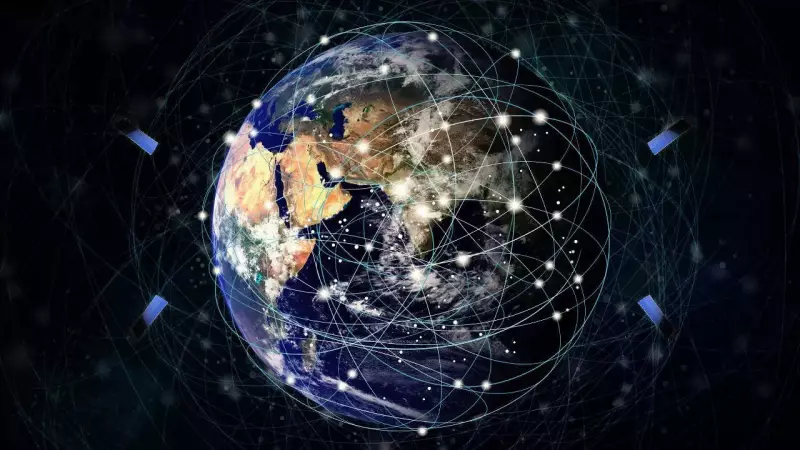
For centuries, astronomers have relied on pristine dark skies and sensitive instruments to unravel the universe's secrets. Today, that fundamental quest faces an unprecedented challenge from the very technology orbiting our planet. The explosive growth of satellite megaconstellations in low Earth orbit is creating a new form of pollution that threatens to distort our view of the cosmos, impacting both ground-based and space telescopes.
Light Pollution: When Satellites Obscure the Stars
The most visible impact is the proliferation of bright, fast-moving streaks across astronomical images. A recent study published in Nature highlights how sunlight reflecting off these satellites creates luminous trails, especially during twilight when the sky is dark but satellites remain sunlit. This is a severe problem for wide-field surveys that capture large swathes of the sky, as multiple satellites can pass through a single exposure.
These bright streaks force astronomers to discard or painstakingly correct valuable data, reducing the efficiency of major observational campaigns. For scientists studying extremely faint objects like distant galaxies, small asteroids, or subtle gravitational lensing effects, even a single satellite trail can compromise critical measurements that depend on clean, uninterrupted light.

The Invisible Threat: Radio Frequency Interference
While light pollution is a visible nuisance, radio astronomy faces a more insidious problem. The new satellite constellations transmit signals across a broad range of frequencies, many of which overlap with bands reserved for scientific research. Radio telescopes are designed to detect incredibly faint cosmic whispers from billions of years ago.
However, even minor signal leakage from a passing satellite can overwhelm these delicate cosmic signals. With thousands of satellites crisscrossing the sky, creating an unpredictable pattern of interference, traditional shielding methods are becoming inadequate. This noise jeopardizes studies of hydrogen distribution, black hole activity, pulsar timing, and the search for signatures from the early universe.
Navigating a Crowded and Complex Future
The complications extend beyond mere interference. The increasing density of objects in low Earth orbit forces space-based observatories to perform frequent avoidance maneuvers, consuming precious fuel and shortening mission lifespans. Planning observations for transient events like supernovae becomes harder with the constant need to dodge satellites.
Furthermore, satellites contribute to a diffuse, overall brightening of the sky's background through scattered light, and space debris poses a physical risk to sensitive telescope optics. Mitigating these impacts requires global cooperation on strategies like satellite darkening, better debris tracking, and international regulatory frameworks that balance technological progress with the preservation of our scientific window to the universe.
The evolving orbital environment means astronomers must now calibrate their data against satellite streaks, radio noise, and scattered light. Scientific models are being updated to include these human-made variables. The race is on to find collaborative solutions that safeguard the clarity of the night sky while accommodating the undeniable benefits of global connectivity, ensuring the future of discovery remains bright.