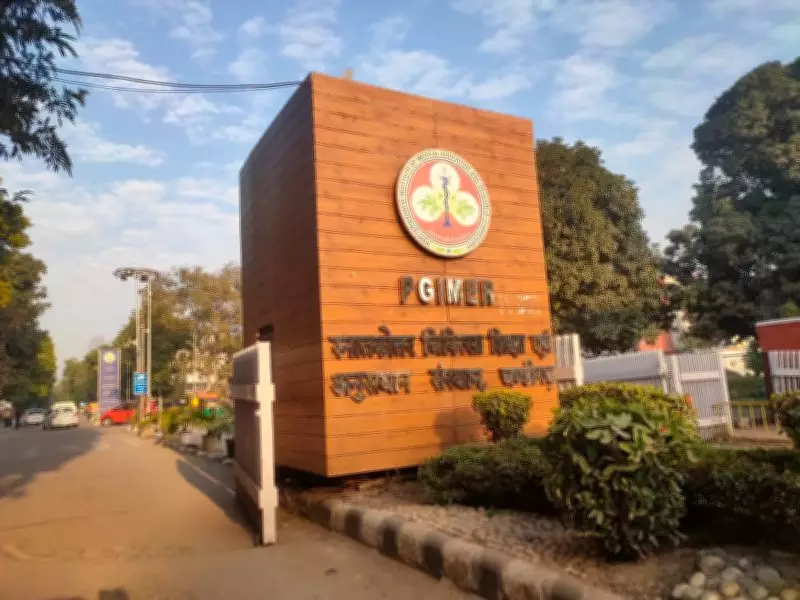
The Post Graduate Institute of Medical Education and Research (PGI) in Chandigarh has achieved a significant milestone in healthcare delivery. Its pioneering 12-hour operation theatre (OT) model has resulted in a remarkable 10.4% surge in the number of major surgeries performed at the institute. This innovative approach to surgical scheduling is being hailed as a game-changer in the field of medical procedures.
How the 12-Hour OT Model Works
The 12-hour OT model is designed to maximize the utilization of operation theatres by extending their operational hours. Traditionally, OTs are used for a limited number of hours each day, often leading to underutilization of resources and longer waiting times for patients. Under this new model, OTs are kept functional for 12 hours straight, allowing for more surgeries to be performed within the same infrastructure. This not only increases the volume of surgeries but also reduces the backlog of patients awaiting critical procedures.
Impact on Major Surgeries
The data from PGI indicates a 10.4% increase in major surgeries since the implementation of this model. Major surgeries include complex procedures such as organ transplants, cardiac surgeries, neurosurgeries, and oncological operations. The increase is attributed to the efficient scheduling and extended availability of surgical teams and facilities. This model ensures that more patients receive timely surgical interventions, which is crucial for conditions where delays can lead to worsened health outcomes.

Benefits for Patients and Healthcare System
The extended OT hours have several benefits for patients. Firstly, it reduces waiting times for surgeries, which can be life-saving for those with critical conditions. Secondly, it allows for more efficient use of hospital resources, including surgical staff and equipment. For the healthcare system, this model improves overall operational efficiency and can serve as a blueprint for other institutions looking to enhance surgical throughput without significant additional investment.
Challenges and Implementation
Implementing a 12-hour OT model comes with its own set of challenges. It requires careful coordination among surgeons, anesthesiologists, nursing staff, and support personnel. The hospital has to ensure that staff fatigue is managed effectively to maintain high standards of patient safety and surgical precision. PGI has addressed these challenges by implementing robust scheduling systems and providing adequate rest breaks for staff. The success of this model at PGI demonstrates that with proper planning and commitment, such innovations can be successfully integrated into existing healthcare frameworks.
Future Prospects
Given the positive outcomes, PGI plans to expand this model to other departments and possibly to other hospitals in the region. The institute is also exploring the use of technology to further streamline OT management. The 10.4% surge in major surgeries is a testament to the potential of innovative operational strategies in healthcare. As PGI continues to refine this model, it sets a precedent for other medical institutions to follow.
In conclusion, PGI's 12-hour OT model represents a significant advancement in surgical care. By increasing the number of major surgeries performed, it not only improves patient outcomes but also enhances the efficiency of the healthcare system. This pioneering approach is a shining example of how innovation can drive meaningful change in medical practice.