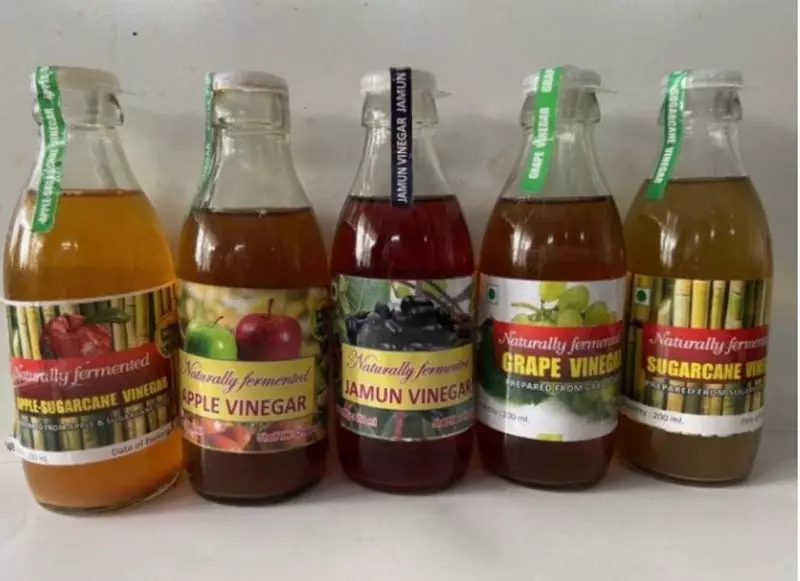
In a significant boost for rural entrepreneurship, the Punjab Agricultural University (PAU) has unveiled a novel technology for producing high-quality brewed vinegar. This innovation promises to open new, lucrative avenues for farmers and agripreneurs looking to diversify their income streams beyond traditional crop cultivation.
From Farm to Fermentation: The PAU Innovation
The technology, developed by PAU's Department of Microbiology, focuses on the production of brewed vinegar through a controlled fermentation process. Unlike synthetic acetic acid, this method creates a natural product with superior flavor and health properties. The process is designed to be scalable, allowing for both small-scale cottage industry production and larger commercial ventures.
The key raw material for this vinegar is sugarcane juice, a readily available agricultural produce in the region. This provides a direct and profitable market for sugarcane growers, enabling them to move up the value chain. The university has not only developed the core fermentation technology but also a complete package of practices, ensuring standardization and quality control for aspiring entrepreneurs.

A Blueprint for Agripreneurial Success
PAU's initiative goes beyond mere research. The university is actively promoting this technology as a viable business model for farmers and rural youth. By adopting this method, agripreneurs can transform a basic agricultural commodity into a value-added product with a much higher market price. This shift from selling raw produce to marketing a finished consumer good significantly enhances profit margins.
The potential benefits are multifaceted:
- Income Diversification: Farmers can reduce their reliance on cyclical crop incomes and create a steady revenue source.
- Employment Generation: Setting up vinegar production units can create jobs in rural areas, curbing migration.
- Promotion of Natural Products: The technology encourages a shift away from synthetic alternatives, catering to the growing demand for natural and healthy food ingredients.
Implications for Punjab's Agricultural Economy
This development arrives at a crucial time for Punjab's agrarian community, which has long been seeking sustainable alternatives to the wheat-paddy cycle. Value addition through food processing technologies like brewed vinegar production is seen as a critical pathway to revitalizing the rural economy.
The technology transfer and training provided by PAU lower the entry barrier for farmers, equipping them with the scientific know-how to start their own enterprises. It aligns with broader national goals of doubling farmers' income and promoting food processing under schemes like 'Make in India' and 'Atmanirbhar Bharat.'
Experts believe that such innovations can trigger a silent revolution in the countryside, fostering a new generation of farmer-entrepreneurs or 'agripreneurs' who are not just producers but also processors and marketers. The success of this model could pave the way for similar technologies for other fruits and vegetables, further strengthening the agro-processing ecosystem in Punjab and across India.