

NASA and Vast Seal Agreement for Sixth Private Astronaut Mission
In a significant move to bolster commercial spaceflight, NASA has officially signed a deal with the private space company Vast for its sixth private astronaut mission. This agreement marks a continued expansion of NASA's Commercial Crew Program, which aims to foster private sector involvement in human space exploration. The mission is currently targeted for launch in the summer of 2027, pending final approvals and technical readiness.
Details of the Mission and Partnership
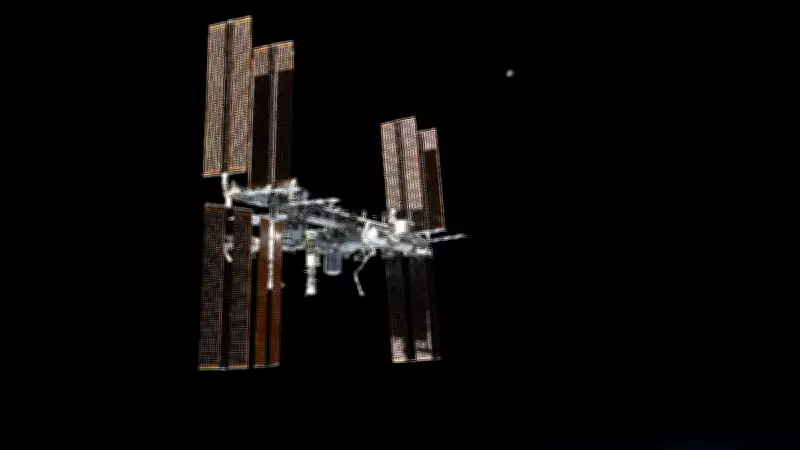
The collaboration between NASA and Vast involves a dedicated mission that will transport astronauts to the International Space Station (ISS) or other orbital destinations. This mission is part of NASA's broader strategy to leverage private companies for routine crew transportation, reducing costs and increasing access to space. Vast, known for its innovative approaches in space habitation and technology, will handle the launch operations and spacecraft development, while NASA provides oversight and support.
Key aspects of the deal include:

- Mission Timeline: The launch is scheduled for summer 2027, with preparations expected to ramp up in the coming years.
- Objectives: The mission will focus on scientific research, technology demonstrations, and commercial activities in microgravity.
- Collaborative Efforts: NASA and Vast will work together on safety protocols, crew training, and mission planning to ensure a successful flight.
Implications for the Space Industry
This agreement underscores NASA's commitment to privatizing aspects of space travel, a trend that has gained momentum in recent years. By partnering with companies like Vast, NASA aims to stimulate innovation and competition in the commercial space sector. The sixth private astronaut mission is expected to pave the way for more frequent and affordable spaceflights, potentially opening up opportunities for tourism, research, and industrial applications.
Benefits of this partnership:
- Enhanced Access: It provides additional flight opportunities for astronauts and researchers beyond government-led missions.
- Economic Growth: The deal supports the growing space economy by involving private enterprises in high-stakes missions.
- Technological Advancements: Collaborations like this often lead to breakthroughs in spacecraft design and operational efficiency.
As the space industry evolves, such partnerships are crucial for sustaining long-term exploration goals, including potential missions to the Moon and Mars. The summer 2027 launch target sets a clear timeline for stakeholders to align their efforts and investments.






