

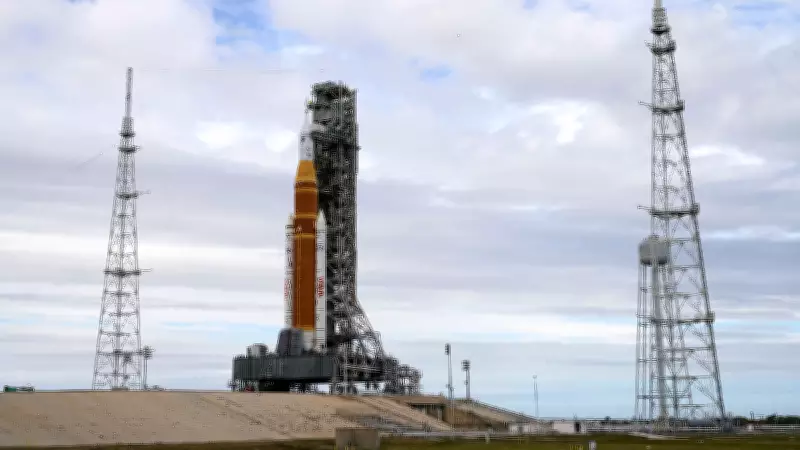
NASA's Artemis Moon Rocket Grounded Until April 2026 After Helium System Malfunction
In a significant setback for NASA's ambitious Artemis program, the agency's giant Space Launch System (SLS) rocket has been grounded until at least April 2026. The decision comes after a critical helium system malfunction was detected during pre-launch testing, forcing the rocket to return to the Vehicle Assembly Building (VAB) at Kennedy Space Center in Florida for extensive repairs and further analysis.
Helium Leak Forces Return to Hangar
The issue centers on a malfunction in the rocket's helium system, which is essential for pressurizing and purging fuel lines in the core stage. Helium is used to ensure that propellants flow smoothly and safely during launch, and any leak or failure in this system can pose serious risks to the mission. NASA engineers identified the problem during routine checks, leading to an immediate halt in launch preparations.
This grounding marks a delay in the Artemis II mission, which aims to send astronauts on a lunar flyby. Originally slated for earlier in 2026, the mission is now pushed back, with NASA officials confirming that the rocket will not be ready for launch until April at the earliest. The return to the VAB is necessary to conduct thorough inspections and implement fixes, a process that could take several months.

Impact on Artemis Program Timeline
The Artemis program, NASA's flagship effort to return humans to the Moon and eventually Mars, relies heavily on the SLS rocket as its primary launch vehicle. This delay could have ripple effects on subsequent missions, including Artemis III, which plans to land astronauts on the lunar surface. NASA has emphasized that safety is the top priority, and no shortcuts will be taken in addressing the helium system issue.
"We are committed to ensuring the rocket is in perfect condition before launch," a NASA spokesperson stated. "While delays are disappointing, they are a necessary part of space exploration to mitigate risks."
Technical Challenges and Next Steps
The helium system malfunction is not the first technical hurdle for the SLS rocket, which has faced previous delays and cost overruns. Engineers will now work in the VAB to:
- Diagnose the exact cause of the helium leak or failure.
- Replace or repair affected components in the core stage.
- Conduct rigorous testing to verify system integrity before rollout.
Once repairs are complete, the rocket will undergo additional testing on the launch pad to ensure all systems are operational. NASA plans to provide updates as work progresses, with a revised launch schedule expected in the coming months.
This incident underscores the complexities of deep-space missions and the importance of meticulous preparation in advancing human spaceflight goals.






