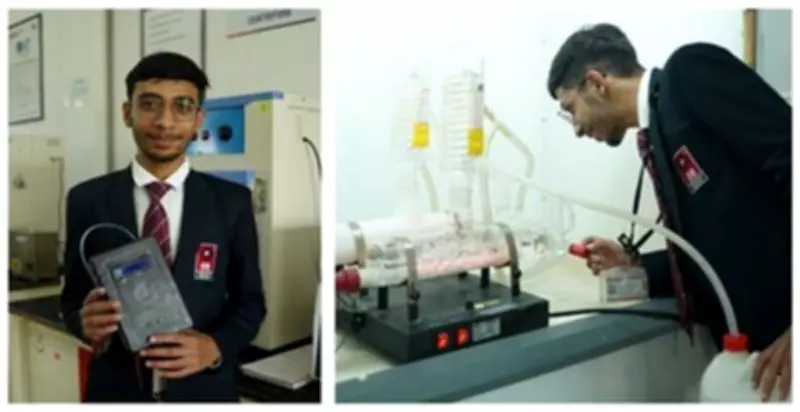
Students at Chandigarh University have designed a low-cost smart pyranometer aimed at revolutionizing solar radiation monitoring and precision farming. This innovative device addresses the need for accurate, affordable measurements of solar irradiance, which is crucial for optimizing agricultural practices and solar energy systems.
How the Smart Pyranometer Works
The smart pyranometer utilizes advanced sensors to measure solar radiation with high precision. It is equipped with IoT capabilities, allowing real-time data transmission to a cloud platform. Users can access this data via a mobile app or web interface, enabling them to make informed decisions about irrigation, crop management, and energy production.
Key Features and Benefits
- Low Cost: Priced significantly lower than traditional pyranometers, making it accessible for small-scale farmers and researchers.
- Accuracy: Provides reliable measurements comparable to high-end devices, ensuring data integrity.
- IoT Integration: Enables remote monitoring and data logging, reducing manual effort.
- Durability: Built to withstand harsh environmental conditions, suitable for long-term outdoor use.
Applications in Precision Farming
In agriculture, solar radiation data is vital for predicting crop yields, managing water resources, and scheduling planting and harvesting. The smart pyranometer helps farmers optimize these processes, leading to increased productivity and sustainability. For instance, by knowing the exact amount of sunlight their crops receive, farmers can adjust irrigation and fertilization accordingly.

Impact on Renewable Energy
Beyond agriculture, the device is valuable for solar energy installations. It aids in site assessment, performance monitoring, and maintenance planning for solar panels. This can enhance the efficiency of solar power plants and reduce operational costs.
Student Innovation and Future Plans
The project was led by a team of engineering students under faculty guidance. They plan to refine the prototype and seek patents. The university aims to collaborate with industry partners to mass-produce the device, potentially benefiting farmers and energy companies across India and beyond.