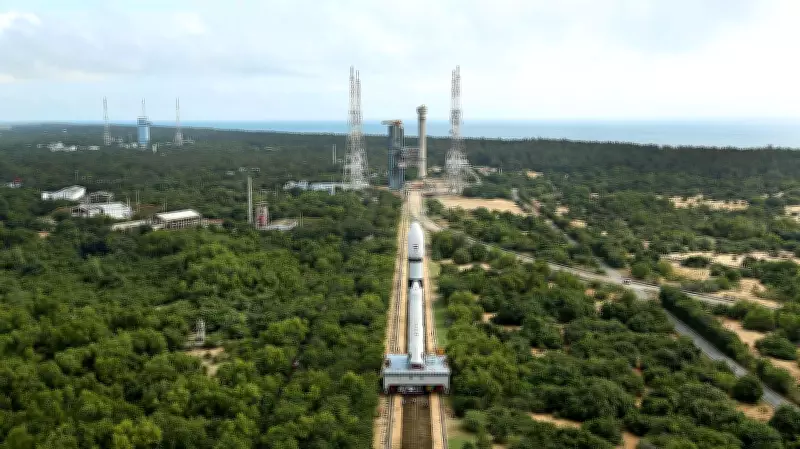
India's Second Space Port to Be Commissioned This Year
India is poised to commission its second spaceport this year, marking a significant milestone in the nation's space exploration and satellite launch capabilities. The new facility will complement the existing Satish Dhawan Space Centre (SDSC) in Sriharikota, Andhra Pradesh, which has been the primary launch site for the Indian Space Research Organisation (ISRO) for decades.
Enhancing Launch Infrastructure
The commissioning of the second spaceport is a strategic move to meet the increasing demand for satellite launches, both for domestic and international clients. With the global space industry expanding rapidly, India aims to bolster its position as a key player in the commercial launch market. The new port will provide additional launch pads and support infrastructure, reducing dependency on a single site and enabling more frequent missions.
This development comes at a time when ISRO has been achieving notable successes, including the Chandrayaan-3 lunar mission and the Aditya-L1 solar observatory. The enhanced launch capacity will facilitate future ambitious projects, such as human spaceflight under the Gaganyaan program and interplanetary explorations.

Strategic and Economic Implications
The establishment of a second spaceport aligns with India's broader goals of self-reliance in space technology and boosting its share in the global space economy. It is expected to attract private sector participation, fostering innovation and creating high-skilled jobs in aerospace engineering and related fields.
Experts highlight that this move will not only improve operational efficiency but also enhance safety by distributing launch activities across multiple locations. The new port is likely to be equipped with advanced tracking systems and modern facilities to support a variety of launch vehicles, including the Small Satellite Launch Vehicle (SSLV) and the heavier Launch Vehicle Mark-3 (LVM3).
Future Prospects and Challenges
While the commissioning is a positive step, challenges such as environmental clearances, land acquisition, and coordination with local communities need to be addressed. However, ISRO's track record suggests that these hurdles can be managed effectively, paving the way for timely completion.
In summary, the commissioning of India's second spaceport this year represents a leap forward in the country's space ambitions. It underscores a commitment to expanding infrastructure, supporting scientific research, and capitalizing on commercial opportunities in the burgeoning space sector.