Akola School's Innovative Kitchen Serves 1,500 Students Daily Without LPG
As households and eateries across the region grapple with an LPG supply crisis, Prabhat Day Boarding School in Akola stands out with a remarkable solution. The school prepares meals for nearly 1,500 students every day using a unique flameless and cylinder-free cooking system, installed about a decade ago. This thermic fluid heater system ensures uninterrupted food preparation, offering a striking example of how alternative technology can provide long-term resilience against fuel disruptions.
How the Thermic Fluid Heater System Works
The school introduced this system nearly ten years ago to reduce dependency on LPG and enhance efficiency in its large-scale kitchen operations. Unlike conventional kitchens that rely on gas burners, the system uses heated thermic oil circulated through pipes to generate heat for cooking vessels. This process eliminates direct flames and significantly cuts fuel consumption while maintaining consistent cooking temperatures. School authorities emphasize that the system allows them to cook meals for hundreds of students daily without using a single LPG cylinder, making it a sustainable and cost-effective choice.
Benefits for Kitchen Staff and Safety
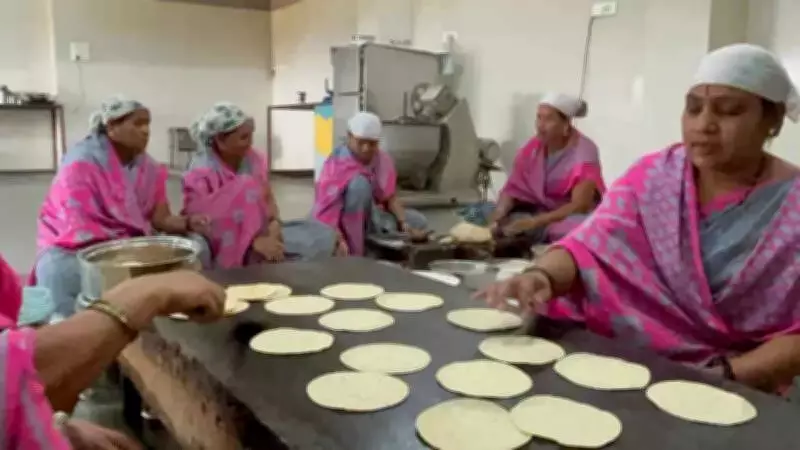
Working in large kitchens during summer can be extremely challenging due to the intense heat generated by gas burners and stoves. However, the absence of open flames in the school's kitchen ensures that the room temperature remains relatively stable, creating a more comfortable environment for the staff. Seema Patil, a kitchen worker at the school, notes the noticeable difference. "There is no direct gas flame here, so the heat is much less. Compared to traditional kitchens, it is easier and more comfortable for us to work," she said. Additionally, the system minimizes risks such as gas cylinder explosions or fire accidents, enhancing overall safety.

Environmental and Economic Advantages
The system utilizes biomass-based fuel pellets made from agricultural waste, such as crop residue, further reducing dependency on LPG cylinders. This approach not only supports waste management but also results in negligible carbon dioxide emissions compared to conventional cooking systems. The example of Prabhat Day Boarding School highlights how early adoption of alternative technologies can offer practical solutions during supply disruptions and rising fuel costs, contributing to both environmental sustainability and economic savings.
Implications for Large-Scale Kitchens
While concerns over LPG availability persist in various sectors due to global energy uncertainties, the school's experiment demonstrates that energy-efficient and environmentally friendly cooking systems can provide a reliable alternative for large-scale kitchens. This model could inspire other institutions to adopt similar technologies, fostering resilience and reducing reliance on traditional fuel sources. The success of this system underscores the potential for innovation in addressing everyday challenges, from fuel shortages to operational efficiency.