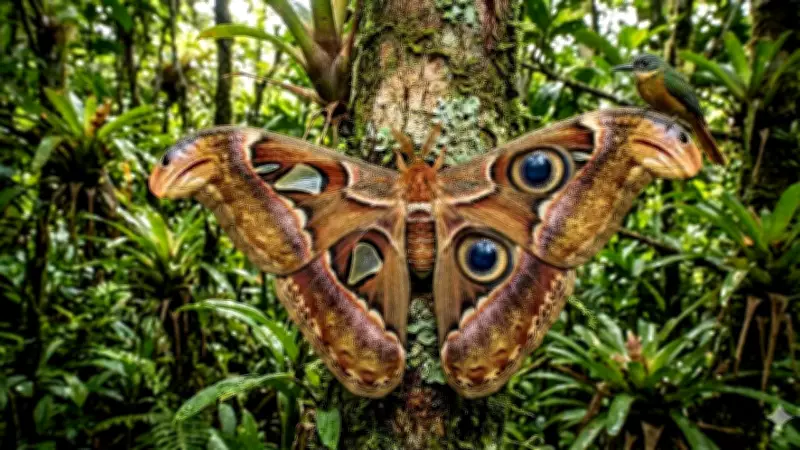
In the wild, animals rely on more than just speed or strength to survive. Many species have developed simple yet effective defense techniques to avoid predators. Among the most intriguing methods are the use of fake eyes, mimicry, and camouflage to create confusion. These visual tricks help animals appear larger, more dangerous, or harder to detect. For instance, some insects display eye-like patterns on their bodies, while certain fish and reptiles mislead predators about their direction or identity. These strategies are not random; they result from long-term adaptation and evolution, as reported by the National Library of Medicine in a study titled “Dynamic mimicry in an Indo-Malayan octopus.” Using such methods, animals increase their chances of survival without direct confrontation. From forests to oceans, these natural defense mechanisms can be observed across diverse species.
1. Fake Eyes to Create an Illusion
Many butterflies and moths possess large, eye-like patterns on their wings. When threatened, they suddenly open their wings to display these markings. Predators, primarily birds, may mistake these patterns for the eyes of a larger animal. This brief confusion can delay the attack, giving the insect a crucial opportunity to escape.
2. Mimicry of Dangerous Animals
Some animals stay safe by resembling more dangerous species. This clever trick reduces the likelihood of attack, as predators are cautious about taking risks. For example, certain caterpillars have markings that make them resemble tiny snakes, especially when they puff up their bodies or move in a particular way. Similarly, a few non-venomous snakes copy the posture and behavior of venomous species, appearing more intimidating than they truly are. Although these animals are harmless, the resemblance is often sufficient. For a predator, it is usually not worth the gamble, and that hesitation can mean the difference between survival and becoming a meal.

3. Misleading Attack Direction
Some fish use a simple but clever trick to confuse predators about their orientation. They have a dark spot near their tail that looks like an eye, making it difficult to determine where the head is located. As a result, predators often strike the wrong end. This small mix-up gives the fish enough time to dart away and escape.
4. Camouflage to Avoid Detection
Another common survival trick is camouflage. Some insects, such as leaf insects and stick insects, closely resemble leaves or thin branches. Their shape, color, and ability to remain motionless help them blend seamlessly into their surroundings. Because of this, predators often fail to notice them, walking past as if they were part of the plant.
5. Playing Dead as a Defense
Some animals respond to danger by staying completely still and appearing dead. This behavior, known as thanatosis, exploits the fact that many predators prefer live prey. When an animal appears lifeless, predators may lose interest and move away, allowing the seemingly dead creature to make a safe escape.