Krafton Confirms Traditional Approach for Project Windless, Limits AI Use to Internal Efficiency
Krafton, the developer behind the highly anticipated open-world PlayStation 5 game Project Windless, has officially addressed concerns regarding the use of artificial intelligence in its development process. In a statement to Eurogamer, a company spokesperson clarified that the Project Windless development team is not employing generative AI for content creation or narrative elements. This announcement comes in response to questions raised after the game's trailer premiered at the recent PlayStation State of Play event.
AI Used Internally, Not as a Central Feature
The spokesperson explained that while AI has been utilized internally during exploratory phases to support iteration and enhance efficiency, it is not a central, player-facing feature of the game. Krafton's studios operate with significant creative independence, allowing each team to choose tools and methods best suited to their projects. For Project Windless, the Montreal-based team is adopting a traditional, craftsmanship-driven approach to single-player development, focusing on high-quality, handcrafted elements.
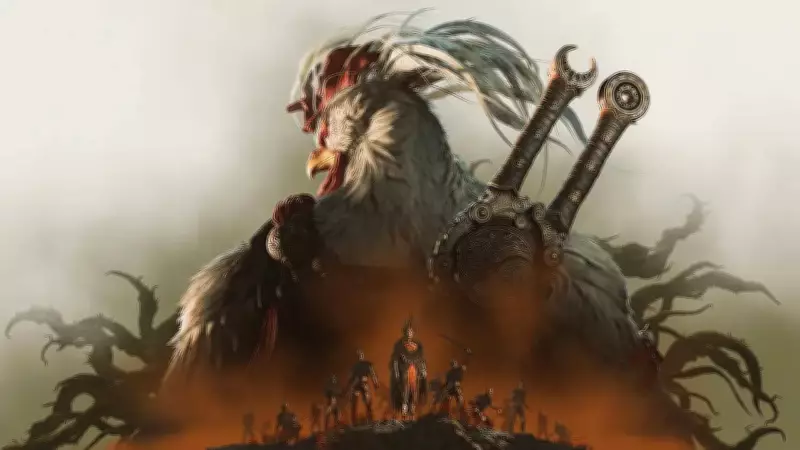
Project Windless, based on the South Korean high fantasy novel series The Bird That Drinks Tears, will incorporate traditional game AI systems to manage non-player character (NPC) behavior. These systems are designed to bring the game world and its characters to life by governing reactions, movements, and behaviors in the environment, particularly beyond combat scenarios.

Industry Context: AI in Game Development Under Scrutiny
The use of AI in gaming has become a widely discussed topic, with many studios integrating the technology into their development workflows. In recent months, other companies have faced similar scrutiny:
- Larian Studios: Founder Swen Vincke initially suggested the use of generative AI for concept art in the Divinity team, but following backlash, he announced in January that the studio would refrain from using such tools to avoid doubts about art origins.
- NetEase: The Chinese gaming giant denied claims that it prohibits its studios from using AI, countering statements from Grasshopper Manufacture co-founder Goichi "Suda 51" Suda, who speculated about such a ban due to player dislike and copyright concerns.
These incidents highlight the ongoing debate within the industry about the ethical and creative implications of AI, with developers balancing efficiency gains against potential backlash from players and artistic integrity concerns.
Krafton's Commitment to Creative Independence
Krafton's stance reinforces its commitment to allowing teams the freedom to innovate while maintaining a focus on quality and player experience. By limiting AI to internal, efficiency-driven tasks and avoiding its use in core creative aspects, the company aims to deliver a rich, immersive gaming experience rooted in traditional development values. As Project Windless progresses, fans can expect a game that leverages advanced technology behind the scenes without compromising on the craftsmanship that defines its narrative and world-building.