

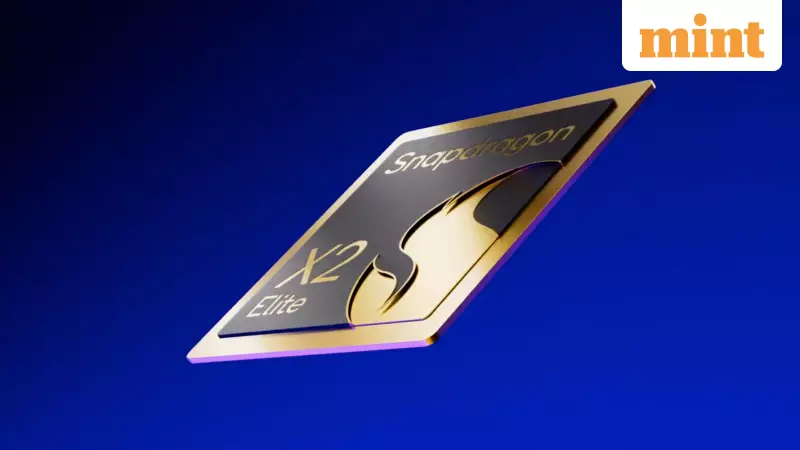
Fresh leaks have surfaced about Qualcomm's next-generation mobile processor for Windows laptops, the Snapdragon X2 Plus, revealing significant performance gains and a new powerful GPU. The information, which emerged online, positions this ARM-based chipset as a formidable competitor to established rivals from Intel and AMD in the flagship ultrabook segment.
Performance Leap with New X2-45 GPU
The core of the leak revolves around the new X2-45 Adreno GPU integrated into the Snapdragon X2 Plus platform. According to the leaked benchmark results from Geekbench 6.5, this graphics processor demonstrates superior performance in multicore tasks when compared to current offerings like AMD's Ryzen AI 7 350 and Intel's Core Ultra 7 256V/265U. These tests were reportedly conducted on reference platforms, including Snapdragon X2 systems and devices like the Dell Pro 16 Plus.
Qualcomm's second-generation chip is built on the company's Oryon CPU architecture. Early presentation slides suggest the X2 Plus can deliver up to 35% higher performance in targeted tests compared to current x86 processors. This boost is attributed to architectural refinements and higher clock speeds. The X2-45 GPU itself is speculated to feature enhanced shader counts, similar to Adreno 840 variants, aiming for performance parity with integrated graphics from Ryzen 5/7 series while prioritising power efficiency.

Targeting CES 2026 and the AI Laptop Market
The Snapdragon X2 Plus lineup is expected to make its official debut around CES 2026. Qualcomm is emphasising not just raw performance but maximum sustainable performance with improved efficiency, especially for AI-driven workloads. This focus makes the chip a key contender for the next wave of AI-powered Windows laptops, challenging Apple's M-series dominance and Intel's upcoming Lunar Lake and Panther Lake architectures.
The efficiency gains promised by the ARM design could enable OEMs to create thinner, fanless laptops with longer battery life without compromising on speed. Enthusiasts have even noted the potential for mini-PC conversions using phone-grade boards, reminiscent of past hacks with the Snapdragon 835.
Challenges and Market Positioning
Despite the promising leaks, the road ahead for Qualcomm and Windows on ARM is not without hurdles. Sceptics point to potential driver maturity issues and caution that benchmark results often reflect peak lab conditions that may not always match real-world retail performance. Compatibility challenges with certain gaming titles and professional applications also persist, reliant on broader ecosystem improvements.
Community discussions highlight a likely segmentation within the Snapdragon X series, with the X2 Plus positioned as a mid-tier offering versus a higher-end 'Elite' variant. This underscores the critical need for robust software support from Microsoft and developers. While pricing details remain unclear, leaks suggest a premium positioning for devices costing around $600.
The leaked information paints a picture of a more competitive landscape for laptop processors. If Qualcomm can deliver on these performance promises and overcome software compatibility barriers, the Snapdragon X2 Plus could significantly alter the dynamics of the high-performance ultrabook market in 2026.






