

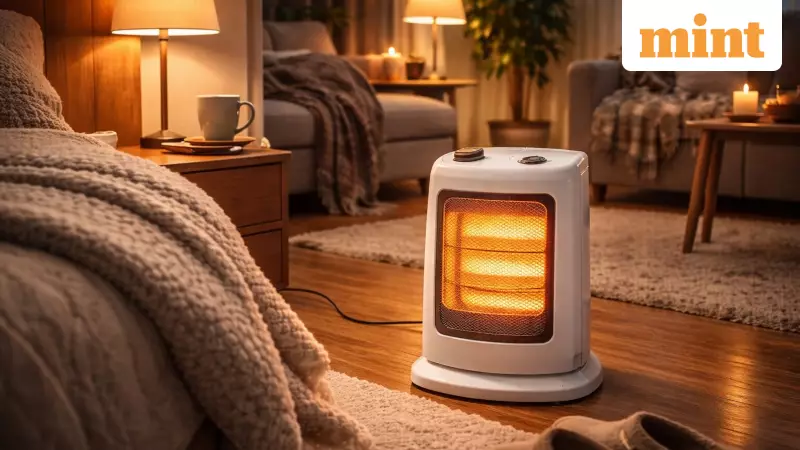
As winter tightens its grip across India, the humble room heater transitions from a seasonal appliance to a daily necessity. Published on 6 January 2026, 04:45 PM IST, insights from tech journalist Bharat Sharma highlight a critical paradox: our greatest comfort often breeds our greatest risk. The danger lies not in the device itself, but in the comfortable forgetfulness that accompanies its constant use.
The Silent Creep of Complacency
Room heaters earn our trust through their innocuous appearance. They are compact, quiet, and seamlessly blend into our living spaces. The moment warm air fills the room, the heater ceases to be seen as a powerful electrical device and becomes mere background furniture. This psychological shift is where the first seeds of hazard are sown. We pull our chairs closer, stretch our feet towards its glow, and resist turning it off, unknowingly letting our guard down.
Everyday Habits That Amplify Risk
The most common mistake is the gradual reduction of distance. What starts as a safely positioned heater in a corner slowly migrates closer to beds, sofas, curtains, and drying laundry. This isn't deliberate carelessness but a natural pursuit of warmth. However, heaters require clear airflow to function safely. Blocking this airflow with objects causes heat to build up unevenly, leading to scorched fabric, warped plastic, or worse, without any immediate warning signs.

Another critical oversight involves power usage. Even modern, compact heaters draw significant electrical current. The convenience of using an extension board or multi-plug strip when wall sockets are scarce is a widespread practice. These accessories, however, are not designed for the sustained high load of a heater. Over time, this causes plugs to loosen, wires to overheat, and connections to degrade internally, creating a prime condition for short circuits. Electricians universally advise plugging heaters directly into a wall socket on a dedicated line.
Beyond Fire: The Overlooked Health and Longevity Hazards
Air quality deterioration is a silent side effect. Electric heaters significantly dry out the air. In rooms sealed shut for warmth, this dry, stale air can lead to morning headaches, dry throats, and chest congestion, often mistakenly blamed on the heater. The simple remedy of slightly opening a window or door is frequently more effective than any adjustment to the appliance.
Operational habits form the final layer of risk. The act of leaving a heater on unattended, even for a brief trip to the kitchen, normalizes quickly. While catastrophic failure is rare, the real danger is the absence of anyone to notice if the heater tips over, something falls on it, or it begins to overheat.
Using heaters to dry clothes is a quintessential winter hack, but it forces the appliance to work harder. Fabric restricts airflow and traps heat, causing internal components to overstress and significantly shortening the device's lifespan. Furthermore, heaters do not need to run continuously. Once a room is warm, the retained heat allows for periodic switching off or using a timer, reducing electrical load and risk without sacrificing comfort.
Ultimately, room heaters are not inherently unsafe. They are appliances that demand mindful engagement rather than blind trust. The difference between a safe winter and a hazardous one lies in treating the heater as an active electrical device requiring respect, not as invisible furniture. A little awareness, as Sharma notes, truly does go further than any safety label.






