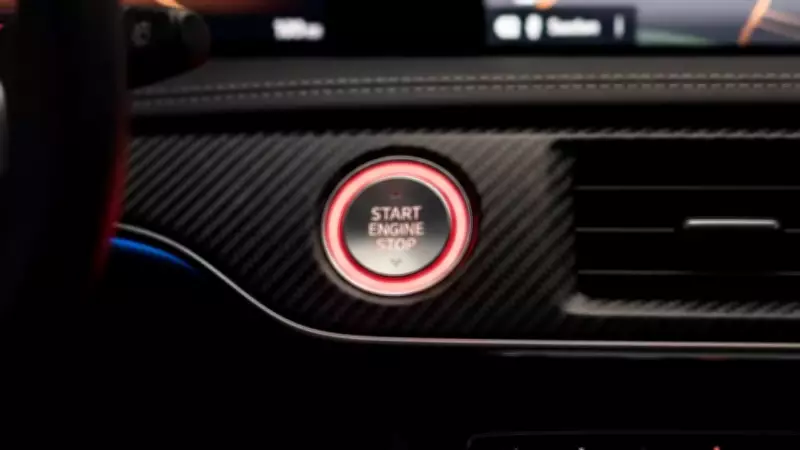
Push Start-Stop in Cars: Modern Convenience vs. Hidden Drawbacks
The push start-stop feature has steadily evolved into a standard offering across the automotive landscape. This technology is now prevalent in compact hatchbacks as well as larger vehicle categories, including SUVs and luxury sedans. Instead of the traditional method of inserting and turning a physical key, drivers simply press a button to ignite or shut down the engine, provided the key fob is detected within the vehicle's interior.
This innovation delivers a contemporary and upscale driving experience, yet it is not without its imperfections. Below, we examine the key benefits and potential pitfalls associated with push start-stop systems that every car owner should consider.
Advantages of Push Start-Stop Technology
Enhanced Convenience: The primary benefit is undeniable ease of use. Drivers no longer need to fumble for keys in pockets or bags. By pressing the brake or clutch pedal and then the start button, the engine activates instantly. This streamlined process proves particularly advantageous in congested urban traffic, where quick stops and starts are common.

Improved Security: Push start systems incorporate an added layer of theft protection. Since the engine only operates when the key fob is in close proximity, conventional hot-wiring techniques become largely ineffective. Most vehicles equipped with this feature also include an engine immobilizer, further bolstering security against unauthorized access.
Reduced Mechanical Wear: Traditional ignition systems rely on mechanical components that are prone to degradation over time. In contrast, push start mechanisms utilize electronic components, minimizing physical stress and wear. This reduction in moving parts can contribute to enhanced long-term durability and lower maintenance requirements.
Disadvantages of Push Start-Stop Technology
Risk of Accidental Operation: A frequent issue reported by users is inadvertently leaving the engine running. Without a physical key to remove, some drivers exit the vehicle assuming it is powered off. This oversight is especially problematic in quieter models, such as hybrid vehicles, where the engine noise may be barely audible, leading to unnecessary fuel consumption or safety hazards.
Higher Replacement Costs: Losing or damaging a smart key fob can result in significant expenses. Replacement typically involves a visit to the dealership for reprogramming and synchronization, which often incurs substantial fees. Additionally, repairs related to the push start system itself can be costly once the manufacturer's warranty has expired.
Dependency on Electronics: The functionality of push start systems is heavily reliant on the vehicle's electrical system. If the car battery is weak or depleted, the system may fail to respond, leaving drivers stranded. While most manufacturers include a backup starting method, many owners are unaware of this contingency, leading to confusion and panic during emergency situations.
Conclusion
Push start-stop technology represents a significant advancement in automotive design, offering a blend of modern aesthetics and practical benefits. However, potential owners must weigh these advantages against the associated drawbacks, such as higher costs and electronic dependencies. Understanding both sides of this feature ensures a more informed decision when purchasing or operating a vehicle equipped with this increasingly common technology.