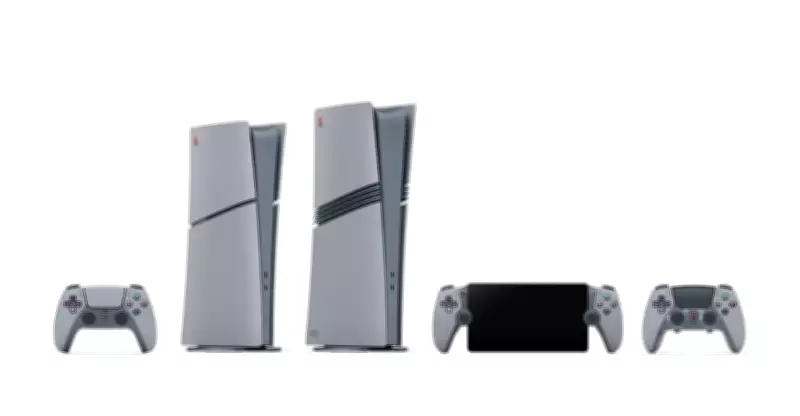
PlayStation 6 Delay Looms as AI Chip Shortage Disrupts Gaming Industry
Sony is reportedly contemplating a significant delay for its next-generation PlayStation 6 console, potentially pushing its release to 2028 or even 2029. This strategic reconsideration comes as a brutal global memory chip shortage throws a major wrench into the gaming giant's long-term plans for the future of console gaming.
Extended PS5 Generation and Industry-Wide Impact
According to a detailed Bloomberg report citing individuals familiar with Sony's internal discussions, the company is actively reevaluating its established timeline for launching the successor to the PlayStation 5. If this delay materializes, the current PS5 generation would become the longest in the entire history of the PlayStation brand, stretching well beyond the typical seven-year console lifecycle that has defined previous eras.
The primary culprit behind this potential postponement is the explosive demand for memory chips from artificial intelligence data centers. Tech behemoths like Alphabet and Amazon are investing hundreds of billions of dollars into AI infrastructure this year alone, aggressively snapping up semiconductor production capacity. These chips, which would otherwise be allocated for consumer electronics like smartphones, laptops, and game consoles, are being diverted to power the AI revolution.

"RAMmageddon" and Soaring DRAM Prices
Bloomberg has described the current market situation as "RAMmageddon," with prices for DRAM (Dynamic Random-Access Memory) experiencing a dramatic surge. Reports indicate that DRAM prices skyrocketed by an astonishing 75% between December and January alone, creating severe supply chain constraints and cost inflation across the electronics industry.
This memory crunch is not isolated to Sony. Nintendo is also facing substantial pressure, with the report suggesting the company is contemplating a price increase for its anticipated Switch 2 console sometime in 2026. The hybrid console launched last June at a price point of $449, and Nintendo President Shuntaro Furukawa has publicly acknowledged that memory prices are climbing at a pace that "exceeds expectations." While Furukawa has not confirmed a specific price bump, he has notably not ruled one out either, leaving the door open for potential adjustments.
Valve Corporation is feeling the squeeze as well. The company recently announced a delay for its Steam Machine console and openly admitted it needs to "revisit" its pricing strategy due to the same severe storage and memory supply crunch impacting the broader market.
Structural Shift in Semiconductor Manufacturing
The core problem is fundamentally structural, not a temporary market fluctuation. The world's three major memory manufacturers—Samsung, SK Hynix, and Micron—have strategically pivoted their manufacturing focus toward producing high-bandwidth memory (HBM). This specialized memory is critical for Nvidia's advanced AI chips and commands far higher profit margins for the chipmakers.
This strategic shift leaves significantly less production capacity available for the standard DRAM that powers everyday consumer electronics, including gaming consoles, computers, and mobile devices. Lenovo CEO Yang Yuanqing emphasized to Bloomberg that this supply-demand imbalance is not a short-term blip but a persistent market reality. Financial analysts at Bernstein have issued warnings, stating that memory prices are going "parabolic," and noting that constructing new chip fabrication plants is a process that takes many years, offering no quick relief.
Implications for Gamers Worldwide
For the global community of gamers, the practical takeaway from this industry-wide crisis is straightforward yet impactful. Gaming consoles are becoming more expensive to produce, which may lead to higher retail prices for consumers. Furthermore, the arrival of the next generation of hardware is now projected to be further away than industry watchers and enthusiasts had previously anticipated.
The convergence of AI's insatiable hardware demands and the finite nature of semiconductor manufacturing capacity is reshaping the roadmap for the entire video game industry, with Sony's PlayStation 6 plans being one of the most prominent casualties of this new economic reality.