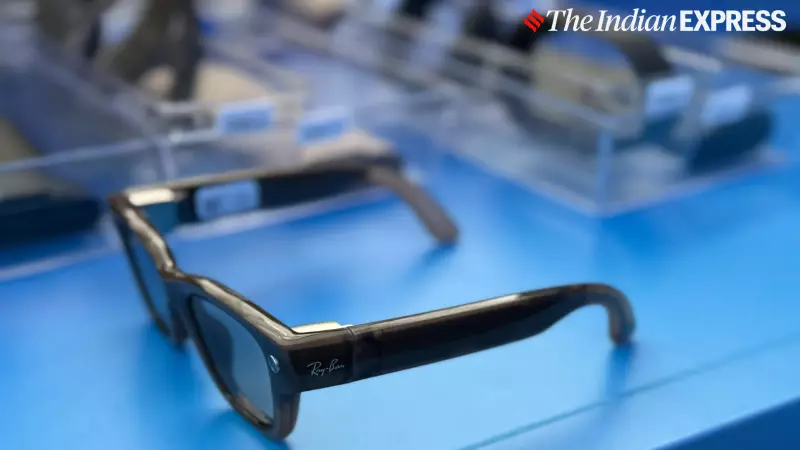
In a move that will disappoint tech enthusiasts outside the United States, Meta announced a significant delay in the global rollout of its highly anticipated Ray-Ban Display smart glasses. The company cited "unprecedented" demand and inventory constraints in the US as the primary reasons for postponing the international launch.
Global Launch Paused, US Demand Prioritised
On Tuesday, January 6, the social media giant confirmed it is putting its initial plans on hold. Customers in key markets like the United Kingdom, France, Italy, and Canada, who were expecting the AI-powered wearable this year, will now have to wait. Meta stated it is prioritising orders from US customers due to limited stock of the innovative product.
First introduced in September 2025 at a price of $799, the Meta Ray-Ban Display glasses represent the company's first consumer-ready AI product. Developed in partnership with eyewear giant EssilorLuxottica, the glasses allow users to watch videos and handle messages via a neural technology-powered wristband. This partnership, renewed in 2024, has already proven fruitful, with EssilorLuxottica reporting revenue growth in Q3 of October 2025.

"Meta Ray-Ban Display is a first-of-its-kind product with extremely limited inventory. Since launching last fall, we’ve seen an overwhelming amount of interest, and as a result, product waitlists now extend well into 2026," Meta explained in an official blog post.
New AI Features Unveiled at CES 2026
Despite the launch delay, Meta used the platform of CES 2026 to showcase exciting new capabilities coming to the Ray-Ban Display ecosystem. The highlight is a discreet teleprompter feature designed for both personal and professional use. Users can simply copy and paste notes from apps like Google Docs, which will then scroll subtly within the glasses' display, aiding in delivering prepared remarks.
Another major innovation is the EMG Handwriting feature. This allows users wearing the companion Neural Band to type messages on platforms like WhatsApp and Messenger by writing with their finger on any surface. For now, this feature will be limited to Early Access customers in the US and will support only English.
Meta is also expanding its pedestrian navigation feature to four new US cities, bringing the total to 32. Furthermore, the company announced a collaborative proof-of-concept with smartwatch leader Garmin. This project connects the Meta Neural Band with Garmin’s Unified Cabin in-vehicle technology, enabling passengers to control infotainment systems using gestures detected by the band's surface EMG technology.
The Competitive Landscape and Future Developments
Meta is not alone in betting on AI smart glasses as the next major platform shift. The competition is heating up significantly. Google demoed its Android XR-powered smart glasses at last year's I/O conference and announced a $150 million partnership with Warby Parker. Meanwhile, reports suggest OpenAI is collaborating with Apple on a similar AI-powered glasses project.
Looking ahead, Meta is committed to refining its technology for broader accessibility. The company revealed it is working with the University of Utah to assess how the Neural Band can be improved for people with varying levels of hand mobility. This indicates a long-term vision for inclusive, next-generation wearable technology.
For now, international customers eager to experience Meta's vision of the future will have to exercise patience as the company struggles to meet the explosive demand from its home market first.