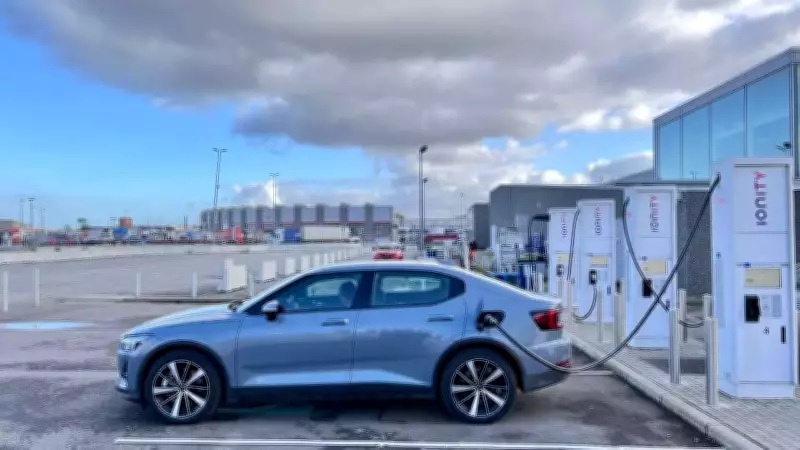
Electric Vehicle Road Trip Across Maharashtra Exposes Charging Infrastructure Challenges
In a comprehensive post shared on the popular automotive forum Team-BHP, member anurag.somani documented his extensive experience driving nearly 2,000 kilometers across Maharashtra in an electric vehicle. What began as a carefully planned family road trip from Mumbai to Tadoba and back transformed into an insightful examination of the current realities of highway electric vehicle travel, where the automobile itself performed admirably but the surrounding charging ecosystem frequently tested patience and planning.
From Smooth Planning to Practical Realities
The journey commenced like numerous family road trips across India. A late evening departure following office hours, luggage carefully packed, snacks adequately stocked, and one child already half-asleep before the first traffic signal turned green. The itinerary appeared straightforward: Mumbai to Tadoba and return, approximately 2,000 kilometers including several local excursions, with overnight stops in Aurangabad (Chhatrapati Sambhajinagar) during the outward journey and Nagpur on the return leg.
The unique element was the transportation mode: an electric vehicle. The traveler approached the expedition with confidence, not from expectations of perfection but through meticulous planning characteristic of electric vehicle owners—organizing the journey in blocks, percentages, and charging stops strategically positioned around meal breaks.

The Highway Experience Versus Charging Reality
The Samruddhi Mahamarg expressway provided an exceptional driving experience with long straight stretches, numerous tunnels and bridges, and open roads that encouraged relaxed cruising. However, this very comfort presented its own challenge, as fatigue could subtly accumulate during extended straight drives, necessitating breaks even when not immediately felt.
The expressway itself offered smooth travel, but the charging infrastructure told a different story. Contrary to expectations of petrol pump-like convenience, most fast chargers were situated near exits, tucked around food plazas or properties adjacent to the highway. Each charging session consequently involved a detour—exiting the highway, locating the charger, and returning—adding 15 to 20 minutes before charging even commenced.
The Hidden Burden: Application Fatigue
A significant challenge emerged through what the traveler termed "app fatigue." Unlike conventional refueling with a single payment method, electric vehicle charging often required multiple applications, different networks, and separate prepaid wallets. This complexity meant travelers spent considerable time managing digital interfaces rather than enjoying the journey, with leftover balances in various wallets creating ongoing inconvenience.
The ideal scenario—a universal payment system accepting UPI or cards—remained elusive, replaced by frequent prompts to download new applications, load money, and navigate varying payment flows.
Strategic Planning and Its Limitations
Before departure, the traveler mapped charging breaks approximately every 200 kilometers, integrating charging with meal times and overnight stays rather than treating it as separate activities. This approach proved effective during the outward journey to Tadoba, with most breaks adhering to schedule and 30-minute charging sessions to reach 80% capacity.
However, the return journey revealed infrastructure limitations. Away from major urban centers, charging options diminished significantly. At one location approximately 250 kilometers from Nagpur, four vehicles queued for only two charging guns, forcing a decision between waiting or seeking alternatives. The backup charger functioned but operated at slower 30 kW capacity, adding 45 minutes to the stop.
Speed Considerations and Practical Solutions
The journey highlighted how driving speed substantially impacts electric vehicle range. Maintaining 120 kmph significantly reduced range, necessitating more frequent charging stops. Conversely, traveling at 90 kmph allowed longer stretches between charges, reducing overall stress and creating a smoother travel experience.

A practical solution emerged during the Tadoba stay: utilizing slow charging overnight through a standard 16A socket with a safe extension cord. While not rapid, this approach provided substantial battery buffer each morning, eliminating the immediate need to locate charging stations upon departure.
Key Takeaways for Future Electric Vehicle Travelers
The experience neither converted the traveler into an electric vehicle evangelist nor turned him into a critic. Instead, it clarified that while modern electric vehicles capably handle highway driving, the supporting ecosystem requires further development. For those contemplating similar journeys, several recommendations emerged:
- Plan stops around human needs—food and restrooms—rather than battery percentages
- Select charging stations with backup options nearby to avoid disruption from equipment issues
- Anticipate 15-20 minute detours for each charging session away from expressways
- Prepare multiple charging applications but avoid excessive wallet top-ups to prevent leftover balances
- Moderate speed to extend range and reduce charging frequency
- Utilize overnight slow charging at accommodations whenever possible
- Schedule regular breaks on long straight highways regardless of perceived freshness
The journey concluded with cherished memories of both the driving experience and destination, alongside a new planning methodology for future electric vehicle expeditions: meticulous preparation for the road itself, followed by equally detailed planning for everything encountered after leaving it.