

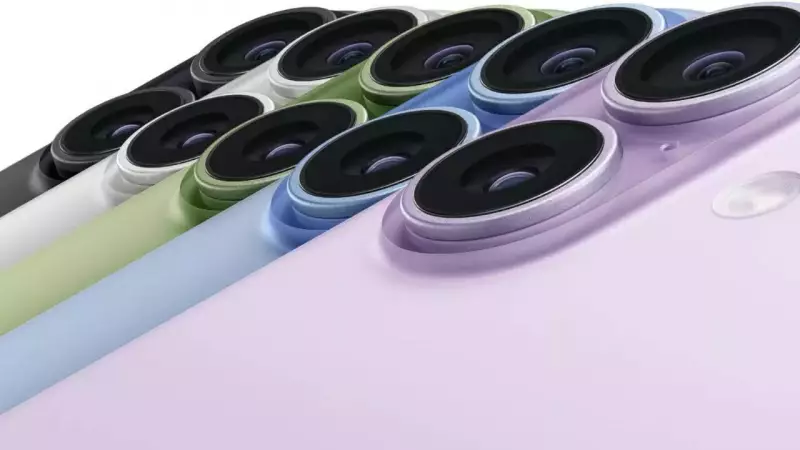
Apple is reportedly planning a major shake-up to its iconic iPhone release schedule. According to a new report from MacRumors, the tech giant might not launch the standard iPhone 18 model in 2026 at all, pushing its debut to the following year. This potential move would mark a significant departure from Apple's longstanding tradition of unveiling its entire new iPhone lineup every September.
A Staggered Release Strategy for a Crowded Lineup
The report indicates that while the premium iPhone 18 Pro and iPhone 18 Pro Max are still on track for a September 2026 launch, the more affordable standard iPhone 18 could be conspicuously absent. Instead, its release is now tipped for the spring of 2027. If this happens, the iPhone 17, which debuted in September 2025, would remain the latest non-Pro iPhone for an unprecedented over 18 months.
This rumoured shift is attributed to Apple's rapidly expanding smartphone portfolio. With the introduction of models like the iPhone 16e and iPhone Air last year, and the anticipated arrival of Apple's first foldable iPhone in 2026, the company's lineup is becoming increasingly crowded. By the end of 2026, Apple could have at least eight different iPhone models on sale simultaneously.

"A staggered release schedule would allow the company to further differentiate its models, give them a longer sales window without internal competition, and spread iPhone launches more evenly across the year," the MacRumors report explains.
Why Apple Might Delay the Base iPhone 18
Beyond managing a complex product catalogue, the new strategy is said to offer significant operational advantages. Supply chain analysts suggest that spacing out launches could help Apple reduce production bottlenecks and better manage the supply of advanced components. This is particularly crucial for cutting-edge technologies expected in Pro models and the rumoured foldable device.
Financially, this approach could help smooth out Apple's revenue recognition across fiscal quarters. Instead of concentrating the massive sales spike of all new iPhones into a single period, a split launch would create two major sales events within the financial year.
Breaking a Decade-Long Tradition
This potential change would end a pattern that Apple has followed for more than ten years. Since the early 2010s, Apple has consistently introduced its mainline iPhone family in the fall, with all core models becoming available simultaneously. The delay of the iPhone 18 to 2027 would be the first time Apple skips an entire calendar year without releasing a new generation of its flagship non-Pro iPhone.
The report reinforces that Apple's focus for the fall 2026 event will likely be on its higher-end offerings. This includes the iPhone 18 Pro series and the highly anticipated debut of a foldable iPhone, which is expected to be a premium, niche product. This strategy allows Apple to spotlight its most innovative and profitable devices first, before introducing the updated mainstream model later.






