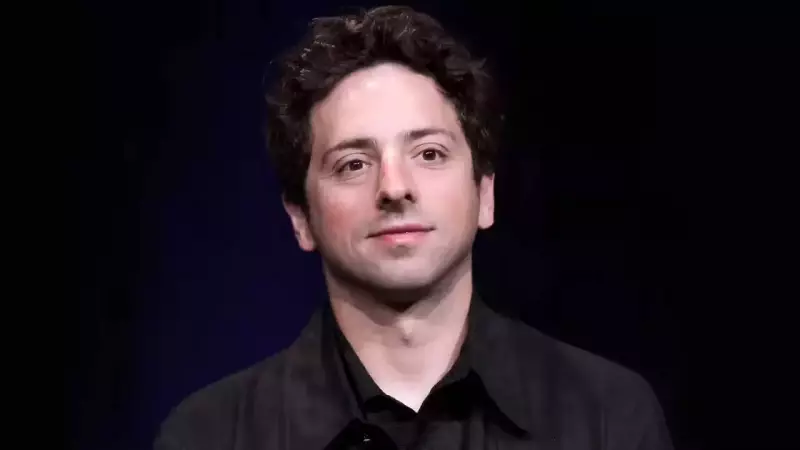
In a candid reflection on one of Google's most public hardware stumbles, co-founder Sergey Brin recently shared crucial lessons learned from the failed launch of Google Glass. Speaking at Stanford University during the engineering school's centennial celebrations, Brin offered aspiring entrepreneurs a piece of hard-earned advice born from experience.
The Skydiving Stunt and a Rushed Launch
When a student asked about the mindset needed to avoid past mistakes, Brin responded with a smile and a specific memory. "When you have your cool, new wearable device idea, really fully bake it before you have a cool stunt involving skydiving and airships," he said. This was a direct reference to the flashy 2013 launch event for Google Glass, which featured skydivers live-streaming their jump onto the roof of a convention centre.
Brin admitted he moved too quickly to bring the product to market. "I think I tried to commercialize it too quickly, before we could make it more cost-effectively and as polished as we needed to from a consumer standpoint," he explained. He even confessed to a moment of overconfidence, comparing himself to the late Apple visionary. "I sort of jumped the gun and I thought, 'Oh, I'm the next Steve Jobs, I can make this thing. Ta da,'" Brin told the audience.

Why Google Glass Failed to Capture the Market
Launched with great fanfare in 2013, Google Glass was a pioneering piece of wearable technology. The smart glasses allowed users to see notifications, get directions, and use smartphone functions through a small display. Despite the initial buzz, it faced significant consumer backlash and never achieved mainstream success.
The device was criticised for several key reasons:
- A steep price tag of $1,500, putting it out of reach for most consumers.
- A clunky and conspicuous design that drew unwanted attention.
- Privacy concerns, partly due to the integrated 5-megapixel camera, which made people uncomfortable.
With poor public reception and a lack of clear use cases for the average person, Google discontinued the consumer version of Google Glass in 2015, just two years after its debut.
Google's Second Attempt with AI-Powered Glasses
Over a decade later, Google is ready to try again. In May of this year, the company announced a return to the smart glasses arena through a partnership with the popular eyewear brand Warby Parker. The new glasses are expected to launch as early as next year.
This time, the technology foundation is vastly different. The glasses will be built on Google's Android XR operating system, designed for headset computers. More importantly, they will be powered by Google's Gemini AI assistant, allowing users to control the device through voice commands, promising a more seamless and integrated experience.
Sergey Brin, who remains a believer in the glasses form factor, stated this reboot will be different. "I've learned a lot," he acknowledged. "I definitely feel like I made a lot of mistakes with Google Glass, I'll be honest." His recent reflections at Stanford serve as a public reminder that even in the fast-paced world of tech, patience, polish, and learning from failure are essential ingredients for long-term success.