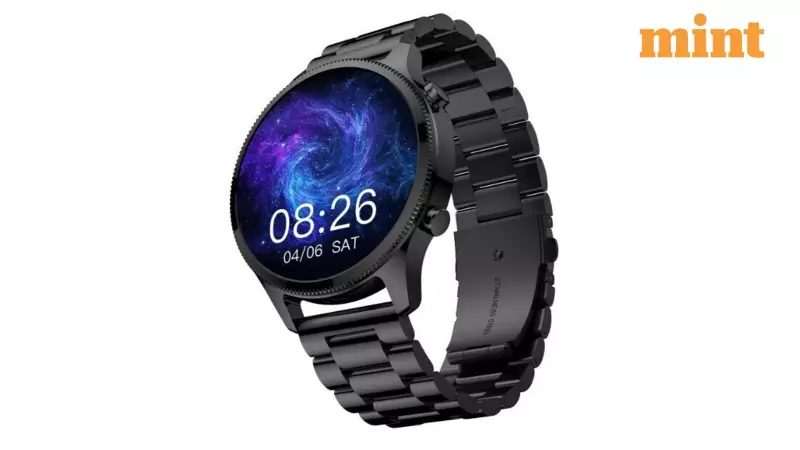
Smartwatches have transformed from basic step-counters into sophisticated wrist-worn computers. They now blend health monitoring, personal style, and everyday utility. Among the many features marketed today, the AMOLED screen stands out. Manufacturers tout it, tech reviewers applaud its vibrancy, and consumers often view it as a sign of a premium device. But does this technology genuinely enhance your daily experience with the watch, or is it merely an expensive aesthetic upgrade? To find out, we need to move past the specifications and examine real-world usage.
Understanding AMOLED Technology on Your Wrist
AMOLED, which stands for Active Matrix Organic Light Emitting Diode, operates fundamentally differently from traditional LCD screens. In an AMOLED panel, each individual pixel produces its own light and can be turned completely off. This core technical difference creates a tangible impact on how you use and perceive your smartwatch throughout the day.
The most immediate benefit is visual quality. Colors appear more vibrant and saturated, while true blacks are achieved because pixels simply switch off. This results in exceptional contrast, making text, icons, and watch faces appear crisp and clear. On a small screen meant for quick glances, this clarity is crucial.

Another significant advantage is wide viewing angles and high peak brightness. The screen remains perfectly readable even when your wrist is at an awkward angle during a workout or when you're outdoors. Sunlight readability is generally superior, reducing the need to cup your hand over the display or strain your eyes.
The technology also enables more efficient always-on display features. Since only the active pixels (showing the time or data) need to be lit, with the rest in a true black, off state, power consumption can be managed effectively. This allows for a watch-like experience where basic information is always visible without a major hit to battery life. While older AMOLED screens were prone to burn-in, modern iterations use techniques like pixel shifting to mitigate this risk effectively.
Real-World Benefits for the Indian User
So, how does this translate to your daily routine in India? The difference is most apparent in frequent, brief interactions. Notifications from messaging apps or emails are easier to read at a single glance due to sharper text. For fitness enthusiasts, workout metrics like heart rate graphs, running pace, or yoga session timers appear more legible and organized, especially under the bright Indian sun.
The display also elevates the personalization aspect. Custom watch faces with intricate designs, gradients, or even subtle animations come to life on an AMOLED screen. If you treat your smartwatch as a fashion accessory as much as a tool, this visual richness matters. Touch responsiveness often feels smoother as well, as these displays are commonly paired with higher refresh rates, making navigation through menus a fluid experience.
However, if your usage is minimal—checking the time, counting steps, and receiving basic alerts—the functional leap from a good LCD may feel less dramatic. The AMOLED improves the experience of these tasks rather than adding new capabilities.
Battery Life, Value, and Making the Right Choice
The impact on battery life is nuanced and depends heavily on how you use the watch. With dark mode interfaces and optimized always-on displays, AMOLED can be very power-efficient. But if you prefer bright, colorful watch faces and frequently wake the screen, you may notice a faster drain compared to some LCD models. Your personal habits are the deciding factor.
In terms of durability, an AMOLED screen isn't inherently more scratch-resistant than an LCD. It's usually protected by strengthened glass like Gorilla Glass, but using a screen protector is still a wise precaution for long-term wear.
From a value perspective, AMOLED displays are typically featured in mid-range to flagship smartwatches. You're often paying for a package that includes a better processor, more accurate sensors, and premium build materials, not just the screen alone. For a user who interacts with their watch dozens of times a day, the improved readability and aesthetic pleasure can justify the investment.

Is the AMOLED upgrade worth it for you? The answer hinges on your lifestyle. If your smartwatch is a central part of your day—for fitness tracking, managing notifications, and as a personal style statement—the enhanced clarity, outdoor visibility, and overall polish of an AMOLED display add significant comfort and enjoyment. It makes daily interactions more pleasant. For a casual or first-time user focused purely on core functions, a capable LCD screen may remain perfectly satisfactory. Ultimately, AMOLED doesn't change what your smartwatch does; it transforms how it feels to use it every single time you look at your wrist.