

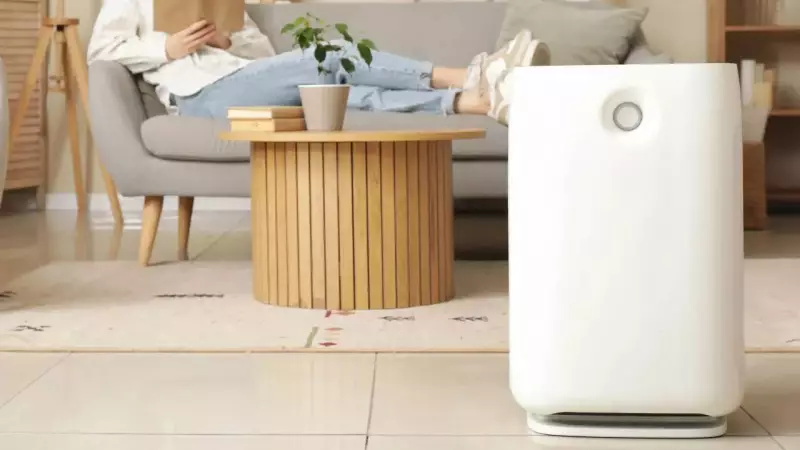
As air pollution remains a persistent threat in many Indian cities, air purifiers have transitioned from occasional use to becoming essential, near-permanent fixtures in urban homes. Families, particularly in regions with poor outdoor air quality, are increasingly relying on these devices to combat fine particulate matter, dust, smoke, and allergens. It's now common to find these machines running for extended hours in sealed bedrooms, nurseries, and home offices.
The Hidden Side Effect of Constant Air Cleaning
However, this growing dependence has sparked new questions about the impact of non-stop air purification on indoor environments. In a viral Instagram reel, renowned gadget expert Rajiv Makhni highlighted a less visible consequence: the silent creation of an unhealthy indoor atmosphere. His concern shifts focus from pollutant removal to a critical aspect of indoor air—humidity levels.
Makhni explains that the very method used to clean air can inadvertently make it too dry. "The only way to combat this crazy air pollution is to close your door and run the air purifier in full turbo mode 24*7," he says. "But you are creating a huge problem with this." He argues that in sealed rooms, the continuous high-speed circulation of air through the purifier's filters gradually strips moisture from the environment, disrupting the indoor air balance.

What Science Says About Humidity and Purifiers
Observations from a scientific study published in the International Journal of Low Carbon Technologies lend credence to this phenomenon. Researchers monitoring indoor air parameters during the prolonged operation of air purification systems noted not just reductions in particulate concentrations, but also changes in relative humidity. Their environmental measurements recorded a decline in humidity under certain operating conditions.
The study documented several key mechanisms:
- Air is repeatedly cycled through internal filtration systems.
- Enclosed rooms prevent the entry of moisture from outside air.
- Continuous operation increases the rate of air processing.
- Relative humidity was observed to decline over time.
It is crucial to note that this particular study focused on environmental measurements and did not link these changes to specific health, comfort, or safety thresholds.
Health Implications of Low Indoor Humidity
Makhni stresses that clean air must also be comfortable air. "Lungs need clean air, but even more important, it should be with healthy moisture levels, not bone dry, over-filtered air," he states. His warnings centre on the discomfort and potential irritation caused by dry air to the respiratory system.
While the academic study did not assess human symptoms, Makhni's claims align with commonly described experiences linked to dry indoor environments:
- Dry air can irritate the nose and nasal passages.
- Throat tissues may feel scratchy or inflamed.
- Airways can feel dry during prolonged indoor stays.
- Eyes may feel irritated or develop a burning sensation.
- Morning nosebleeds are described as a possible result.
Long-Term Exposure and Vulnerable Groups
Makhni extends his concern to the effects of long-term exposure within persistently dry indoor spaces. He suggests that "dry air amplifies the infections in your entire house," potentially affecting how illnesses circulate in shared spaces. He specifically identifies children, older adults, and individuals with asthma or allergies as groups who might be more susceptible to the effects of prolonged exposure to dry air.
Again, it's important to distinguish that the cited study did not examine infection spread, immune response, or health outcomes of occupants. These claims remain separate from the measured environmental data.
Smart Usage Tips for Air Purifier Owners
Makhni clarifies that his message is a caution about usage habits, not an indictment of air purifiers themselves. He advises against nonstop high-power operation, especially on days with very high AQI, rather than moderate or occasional use. The core issue, he emphasises, is over-filtration, not filtration.

He offers several practical, technology-focused tips to maintain a balance between clean air and healthy humidity:
- Avoid running air purifiers continuously on turbo or maximum speed mode.
- Utilise automatic settings that adjust airflow based on need instead of fixed high speeds.
- Introduce indoor moisture using simple methods like bowls of water or damp fabric.
- Replace clogged or dirty filters at regular intervals as recommended.
- Ventilate rooms by opening windows during periods of lower outdoor pollution.
For urban Indian households committed to using air purifiers, the emerging advice is clear: achieving clean air shouldn't come at the cost of creating an arid indoor desert. A balanced approach is key to ensuring the indoor environment remains both healthy and comfortable.





