Google Announces Major America-India Subsea Cable Initiative During CEO's Delhi Visit
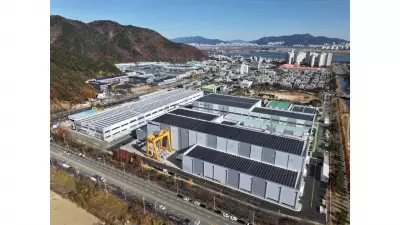
In a significant boost to India's digital infrastructure landscape, American technology behemoth Google unveiled a new subsea optic fiber cable link initiative connecting the United States and India on Wednesday. This strategic announcement comes just months after the company committed a substantial $15 billion investment to establish a foundational artificial intelligence hub in Visakhapatnam.
Pichai's Vision for India's AI Trajectory
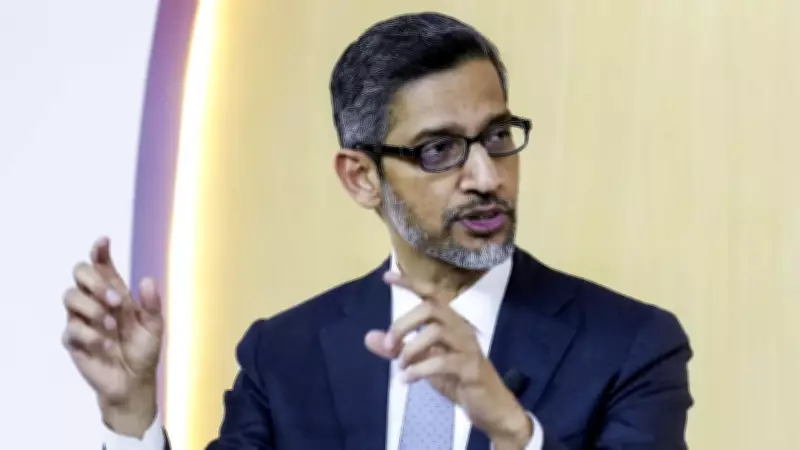
The announcement coincided with Google Global CEO Sundar Pichai's visit to India, which forms part of the ongoing India AI Impact Summit in New Delhi. "I believe India is going to have an extraordinary trajectory with AI, and we want to be a partner," Pichai declared during a media interaction on the sidelines of the summit.
Pichai emphasized that India occupies a unique position in the artificial intelligence era, possessing not only a massive user base but also the capability to develop cutting-edge solutions. "India has the capacity to be a full stack player in AI," he added, highlighting the country's potential to influence the global AI landscape comprehensively.

America-India Connect Initiative Details
Google provided specific details about its new subsea cable project, named the America-India Connect Initiative. Company representatives explained that this initiative will establish new strategic fiber-optic routes designed to enhance digital connectivity between the United States, India, and multiple locations across the Southern Hemisphere.
"We recently announced a $15 billion investment to establish foundational AI infrastructure in India, and have been building subsea cables in the Pacific, Africa and around the world," a Google spokesperson stated. "Today we are announcing the America-India Connect Initiative, which will deliver new strategic fiber-optic routes to increase the reach, reliability and resilience of digital connectivity."
AI as a Generational Opportunity for India
Preeti Lobana, Vice President and Country Manager for Google in India, characterized artificial intelligence as a "generational opportunity" to address some of the world's most pressing challenges. However, she stressed that AI's true potential can only be realized when it becomes accessible and customized to local requirements.
"At Google, we see our role as an essential enabler—providing the frontier infrastructure, research, and skills that allow nations like India to lead their own digital transformations," Lobana explained during the announcement.
Google DeepMind's Educational and Scientific Partnerships
In parallel developments, Google DeepMind revealed plans to establish new partnerships with Indian government bodies and local institutions to accelerate discovery through AI-powered science and education initiatives. The company is specifically collaborating with the Anusandhan National Research Foundation to facilitate the adoption of AI models for scientific advancement.
The partnership will provide Indian researchers with access to Google's frontier AI for Science models, including:
- AlphaGenome
- AI Co-scientist
- Earth AI
Additionally, Google will support hackathons, community contests, and provide training and mentorship opportunities for students, researchers, and early-career professionals across India.
Educational Integration and GenAI Assistants
Google aims to enhance learning experiences for Indian students and educators by powering innovation hubs with generative AI assistants. The company is collaborating with Atal Tinkering Labs, which serves more than 10,000 Indian schools and 11 million students nationwide.
This educational partnership focuses on three key areas:
- Incorporating robotics and coding into local curricula
- Thoughtfully integrating Gemini AI into teacher workflows
- Developing safely guardrailed AI assistants for students grounded in national curriculum standards
These AI assistants are designed to function as educational partners while maintaining appropriate safety measures and alignment with India's educational standards.