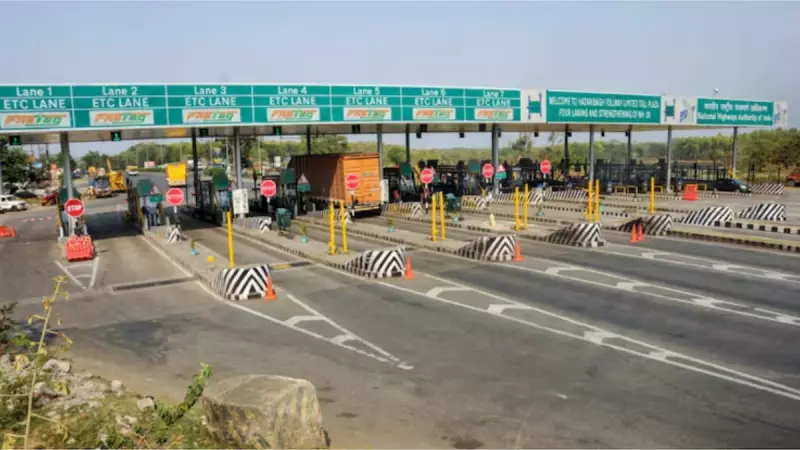
In a major push for digital infrastructure and seamless travel, Union Minister for Road Transport and Highways, Nitin Gadkari, has announced a comprehensive plan to implement an AI-based digital toll collection system across the entire country. The ambitious project is slated for completion by the end of 2026.
The End of Toll Plaza Queues: A GPS-Driven Future
The new system will fundamentally change how tolls are collected on Indian highways. It will utilize a combination of Global Positioning System (GPS) technology and artificial intelligence to calculate toll charges based on the exact distance a vehicle travels on a tolled highway. This marks a significant evolution from the current RFID-based FASTag system, which still requires vehicles to slow down at toll plazas.
Minister Gadkari emphasized that this technology will enable "free-flow tolling," where vehicles can pass through tolling points at normal highway speeds. The AI component will be crucial for accurate vehicle identification, classification, and journey mapping, ensuring precise billing without physical barriers.

Phased Implementation and Current Progress
The rollout of this advanced toll collection mechanism will not happen overnight. The government has outlined a phased approach to ensure a smooth transition. The process has already begun with the successful testing of the GPS-based toll system on the Delhi-Mumbai Expressway.
Following the pilot, the next phase will see the system being introduced on all newly constructed highways. Subsequently, the technology will be extended to cover existing national highways across India. The minister has set a clear deadline, stating that the entire nation should be covered under this new regime by December 2026.
Benefits and Impact on Commuters and Logistics
The move is expected to bring a multitude of benefits, revolutionizing the road transport sector. The most immediate advantage for the common citizen will be the elimination of long queues and waiting times at toll plazas, leading to reduced travel time and lower fuel consumption from idling engines.
From an economic and efficiency standpoint, the system promises substantial gains. It will lead to reduced congestion, lower vehicle operating costs, and a significant boost in the efficiency of logistics and goods transport. Furthermore, the transparent, distance-based billing is seen as a fairer model for users. The government also anticipates enhanced toll revenue collection due to minimized leakage and improved compliance.
This initiative is a cornerstone of the government's broader vision for a digitized and modern transportation network under the Digital India mission. It aligns with global best practices in highway management and positions India's infrastructure at the forefront of technological adoption. The successful implementation by 2026 will mark a pivotal moment in the country's journey towards smarter, more efficient mobility solutions.