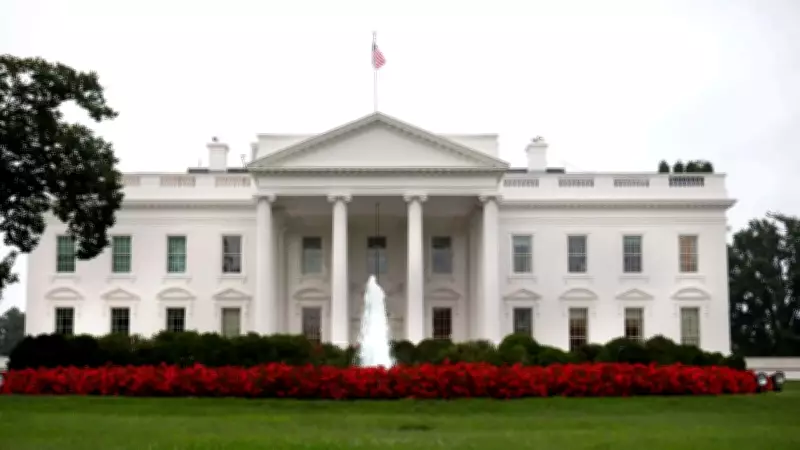
White House Switchboard Briefly Labeled 'Epstein Island' in Android Glitch
In a bizarre technological anomaly, the official White House switchboard number briefly appeared as "Epstein Island" on the caller ID displays of some Android devices, particularly Google Pixel phones, according to a detailed report from the Washington Post. This unusual naming error created a significant stir in media and tech circles, highlighting vulnerabilities in digital mapping systems.
Discovery of the Glitch During Routine Reporting
The issue surfaced earlier this week when Washington Post journalists attempted to contact the White House for details about an event hosted by First Lady Melania Trump featuring a humanoid robot. While the calls successfully connected to the correct number, reporters were startled to notice that the caller ID label displayed "Epstein Island" instead of "White House" on certain Android devices.
"It was not a wrong number. That's what the phone displayed," the Washington Post reported, emphasizing the peculiar nature of this labeling error. Interestingly, the glitch appeared to be limited exclusively to Android devices, with iPhone users reportedly seeing no name attached to the number at all during the same period.

Google Attributes Issue to 'Fake Edit' on Maps
After being alerted to the problem, Google promptly acknowledged the issue and attributed it to a "fake edit" made on Google Maps. The incorrect label was briefly picked up by the caller ID feature on some Android phones, creating this confusing and potentially misleading display.
Google spokesperson Matthew Flegal confirmed that the edit violated company policies and was promptly reversed. The user responsible for making the unauthorized change has since been blocked from making further edits to Google's mapping platform. Following the fix, calls to the White House switchboard now display only the phone number without any accompanying label.
White House Response and Broader Implications
A White House official, speaking on condition of anonymity, clarified that the caller ID issue was entirely external and not linked to any internal White House systems or operations. This distinction was important to maintain public confidence in official communications channels.
Cybersecurity experts have long warned about the potential for malicious edits to manipulate how businesses and institutions appear across Google's ecosystem, including Search, Maps, and caller ID systems. Similar incidents have previously involved:
- Fake customer service numbers for major airlines and banks
- Altered names of schools and local businesses
- Misleading location information for emergency services
The Washington Post noted that it remains unclear exactly how long the incorrect "Epstein Island" label was active or how many users may have encountered it during that period. The incident serves as a reminder of how quickly digital misinformation can spread through seemingly authoritative platforms.
Context of the 'Epstein Island' Reference
The term "Epstein Island" refers to Little St. James in the Caribbean, once owned by Jeffrey Epstein, who died in federal custody in 2019 while facing multiple sex trafficking charges. The island has become symbolic in discussions about Epstein's alleged criminal activities and his network of powerful associates.
US President Donald Trump has previously acknowledged being acquainted with Jeffrey Epstein in social circles during the 1990s and early 2000s, but has maintained that the two parted ways in the mid-2000s. The President has consistently stated that he had no knowledge of Epstein's alleged criminal activities during their limited social interactions.
This incident underscores the ongoing challenges tech companies face in maintaining accurate information across their platforms while preventing malicious actors from exploiting these systems for misleading or harmful purposes.