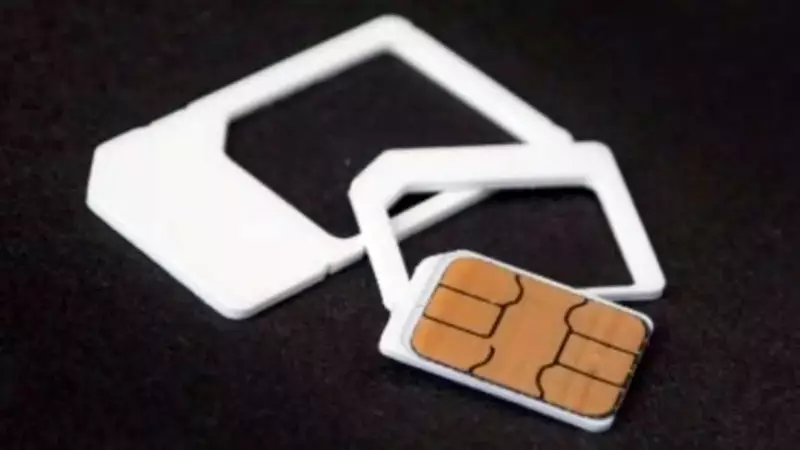
Major Change for Messaging App Users in India
The Department of Telecommunications (DoT) has issued a groundbreaking directive requiring all online messaging platforms to implement mandatory SIM binding for their services. This significant policy shift will fundamentally change how Indians use popular applications like WhatsApp, Telegram, and Signal.
The new rules give platforms exactly 90 days to ensure their services remain continuously linked to the SIM card used during registration. This means users will no longer be able to access these messaging services if the original SIM card isn't physically present in their device.
What SIM Binding Means for Everyday Users
The implementation of SIM binding poses several practical challenges for Indian consumers. Industry executives highlight that frequent international travelers will face immediate difficulties. "When you travel abroad and use a local SIM card, you currently can continue using WhatsApp seamlessly. This convenience will disappear under the new rules," explained a senior industry executive.

Another major impact involves multi-device usage. The DoT has specifically mandated that associated web services like WhatsApp Web "shall be logged out periodically" - with the timeout set at no more than 6 hours. This could significantly disrupt professional workflows where employees rely on desktop versions of these apps throughout their workday.
"Many professionals use WhatsApp on computers without their phones nearby. The mandatory 6-hour logout will create constant interruptions and added friction," another industry executive noted.
Government's Cybersecurity Rationale
The Central Government justified these measures by citing serious cybersecurity concerns. According to the DoT notice, some app-based communication services allow users to access services without the underlying SIM card, enabling misuse from outside India to commit cyber-frauds.
The government is exercising powers under the Telecommunication Cybersecurity Amendment Rules, 2025, which were formally notified in October. These rules introduce the concept of Telecommunication Identifier User Entity (TIUE), bringing platforms using mobile numbers for user identification under telecom regulations.
The affected platforms include major players like WhatsApp, Telegram, Signal, Arattai, Snapchat, Sharechat, Jiochat, and Josh. All must submit compliance reports to the DoT within the next four months.
Industry Reactions and Implementation Challenges
While the telecom industry has previously supported SIM binding requirements, questions remain about effectiveness. The Cellular Operators Association of India (COAI) had earlier stated that "presently, binding occurs only during initial installation, after which applications function independently even if the SIM card is removed or replaced."
However, cybersecurity experts question whether these measures will effectively combat fraud, noting that sophisticated scammers often use SIM cards obtained through illegal means using forged documents or mule identities.
The November 30, 2025 directive marks one of the most significant regulatory changes for digital communication platforms in recent years, with the 90-day compliance clock already ticking for both companies and millions of Indian users.