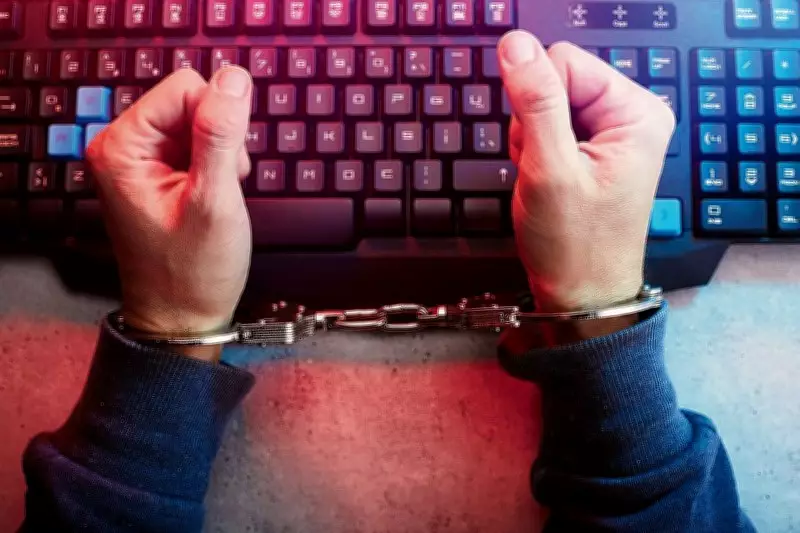
Supreme Court to Hear Suo Motu Case on Digital Arrest Victims Next Week
The Supreme Court of India has announced that it will hear a suo motu case concerning victims of digital arrest next week. This decision follows a mention by Attorney General R Venkataramani before a Bench comprising Chief Justice Surya Kant and Justice Joymalya Bagchi on Monday.
What is Digital Arrest?
Digital arrest is an escalating form of cybercrime where fraudsters impersonate law enforcement officers, court officials, or government agency personnel. They use audio and video calls to intimidate victims, holding them hostage and pressuring them to pay money under false pretenses.
Court's Grave Concerns and Previous Directives
On February 9, the top court expressed severe concern over this menace, describing the siphoning of over Rs 54,000 crore through digital frauds as akin to "robbery or dacoity." It directed the Centre to draft a standard operating procedure (SOP) in consultation with stakeholders, including the Reserve Bank of India (RBI), banks, and the Department of Telecommunications (DoT).

The court also mandated the Central Bureau of Investigation (CBI) to identify digital arrest cases and requested the Gujarat and Delhi governments to grant sanction for investigations. Additionally, it called for a joint meeting involving the RBI, DoT, and other entities to develop a framework for compensating victims, advocating for a pragmatic and liberal approach in such awards.
Recent Developments and Bank Responsibilities
During the recent hearing, Attorney General Venkataramani informed the Bench that the RBI has drafted an SOP for banks to handle these cases. This SOP includes measures like placing temporary debit holds to prevent cyber-enabled frauds. The Bench has directed the Ministry of Home Affairs to formally adopt this SOP and ensure its nationwide implementation.
In earlier proceedings on December 1, the Supreme Court asked the CBI to conduct a unified pan-India probe into digital arrest cases and questioned the RBI on why artificial intelligence (AI) is not being utilized to trace and freeze bank accounts used by cyber criminals.
Next Steps and Broader Implications
The Bench has agreed to list the matter for hearing next week or at the earliest opportunity. This case highlights the urgent need for enhanced cybersecurity measures and collaborative efforts among government agencies, financial institutions, and law enforcement to combat digital fraud effectively.
As digital arrest scams continue to threaten public safety and financial security, the Supreme Court's proactive stance underscores the critical role of legal and regulatory frameworks in safeguarding citizens from such sophisticated cybercrimes.