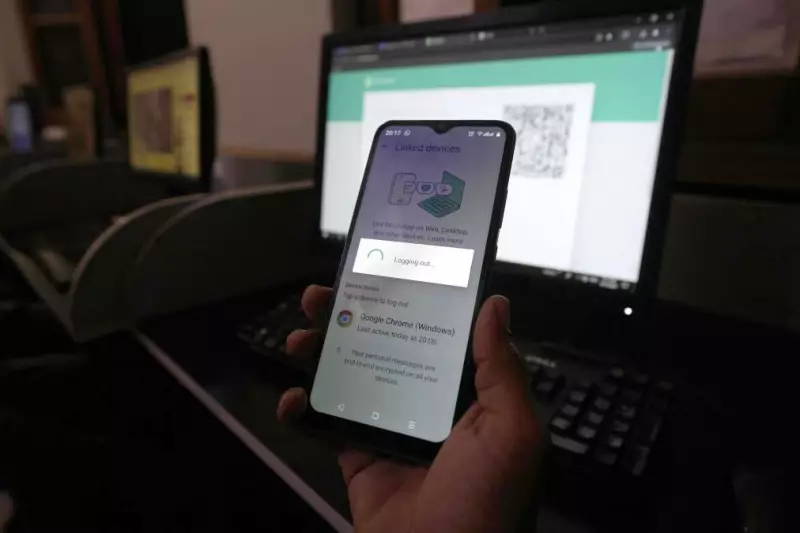
The Indian government has announced sweeping new regulations that will fundamentally change how millions of citizens use popular messaging applications like WhatsApp and Telegram. Starting in 2025, users will face mandatory logouts every six hours and must maintain an active SIM card to continue accessing these platforms.
Understanding the New Digital Security Framework
The Ministry of Electronics and Information Technology has introduced these measures as part of a broader digital security initiative. The core requirement mandates that all messaging app users must have an active, functioning SIM card registered with their mobile number to use services like WhatsApp and Telegram. This represents a significant shift from the current system where users could maintain access even if their SIM became inactive or was replaced.
Perhaps the most impactful change for daily users is the mandatory logout requirement every six hours. This means that regardless of whether you're in the middle of a conversation or have important ongoing chats, the application will automatically sign you out twice daily. Users will need to complete a fresh verification process each time they log back in, ensuring continuous validation of their mobile number and SIM card status.

Implementation Timeline and Technical Requirements
The new regulations are scheduled to take effect in 2025, giving both users and platform providers adequate time to prepare for the transition. The six-hour logout rule applies uniformly across all devices, including smartphones, tablets, and desktop applications. This means that even if you're using WhatsApp Web on your computer, you'll still face the mandatory re-verification process every six hours.
The technical implementation will require messaging platforms to integrate more deeply with telecom operators' systems. When users attempt to log in after the mandatory logout, the app will verify the SIM card's active status in real-time before granting access. This continuous verification process aims to create a more secure digital environment by ensuring that every account is directly linked to a valid, active mobile connection.
Impact on Users and Digital Security Landscape
For the average Indian user, these changes will introduce new routines in their digital life. The twice-daily verification process may initially cause inconvenience, especially for those who rely heavily on messaging apps for work, family communication, or business purposes. However, government officials emphasize that these measures are crucial for enhancing national security and preventing misuse of digital platforms.
The regulations specifically target the practice of maintaining multiple accounts or using applications without proper verification. By requiring active SIM verification every six hours, the government aims to create a more transparent digital ecosystem where each user can be reliably identified and verified through their telecom provider.
Industry experts suggest that users should prepare for these changes by ensuring their SIM cards are always active and properly registered. Those who frequently change numbers or use secondary devices may need to adjust their habits to comply with the new verification requirements. The government has assured that the 2025 implementation date provides sufficient time for all stakeholders to adapt to the new digital security framework.