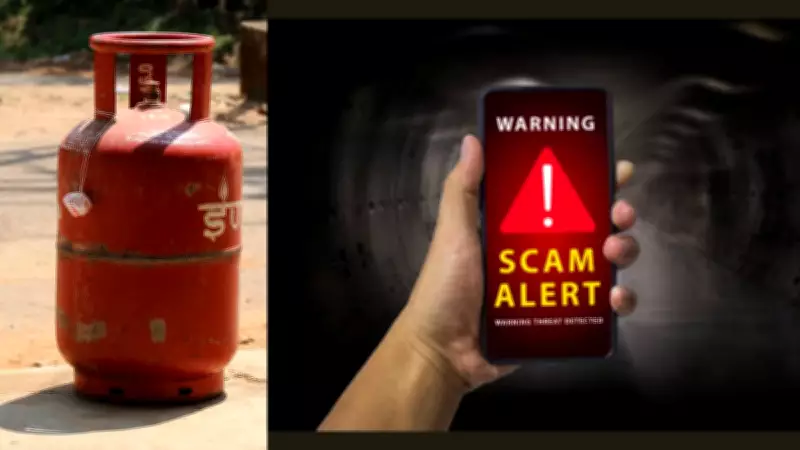
LPG Cylinder Delivery Scam Alert: Fraudsters Target Users via WhatsApp and SMS
A concerning new cybercrime wave has emerged, with fraudsters specifically targeting LPG cylinder users across India. These criminals are deploying sophisticated phishing tactics through popular messaging platforms like WhatsApp and SMS to deceive unsuspecting consumers.
How the Scam Operates
The scam typically begins with users receiving unsolicited messages that appear to be from legitimate sources such as gas agencies or government bodies. These messages often claim there is an issue with the user's LPG cylinder delivery or subscription. They might state that a delivery is pending due to unpaid dues, expired KYC details, or technical glitches.
To resolve the purported issue, the messages instruct recipients to click on embedded links or contact provided phone numbers. Once users engage, they are directed to fake websites or connected to imposters posing as customer service representatives. The fraudsters then aggressively solicit sensitive personal information, including Aadhaar numbers, bank account details, and OTPs.

Rising Incidents and Public Warning
Reports of such scams have been increasing, prompting alerts from cybersecurity agencies and consumer protection bodies. Authorities emphasize that legitimate gas companies do not request confidential data or payments through unofficial channels like random WhatsApp messages or SMS.
Key red flags include:
- Messages from unknown or unverified numbers.
- Urgent language pressuring immediate action.
- Requests for financial transactions or personal identifiers.
- Links leading to non-official websites.
Victims who fall prey to these scams risk significant financial losses, identity theft, and unauthorized access to their accounts. The fraudsters exploit the essential nature of LPG services, making the ruse more convincing to households reliant on timely cylinder deliveries.
Protective Measures and Recommendations
To safeguard against such threats, users are advised to verify any suspicious communication directly through official channels, such as the gas company's verified customer care number or website. It is crucial to never share OTPs, passwords, or banking details with unverified contacts.
Additionally, enabling two-factor authentication on messaging apps and regularly updating privacy settings can reduce vulnerability. Public awareness campaigns are being urged to educate consumers on recognizing and reporting phishing attempts.
Law enforcement agencies are actively investigating these cases, but the onus remains on users to exercise caution. As digital fraud tactics evolve, staying informed and vigilant is the first line of defense against such malicious schemes targeting everyday essentials like LPG cylinder services.