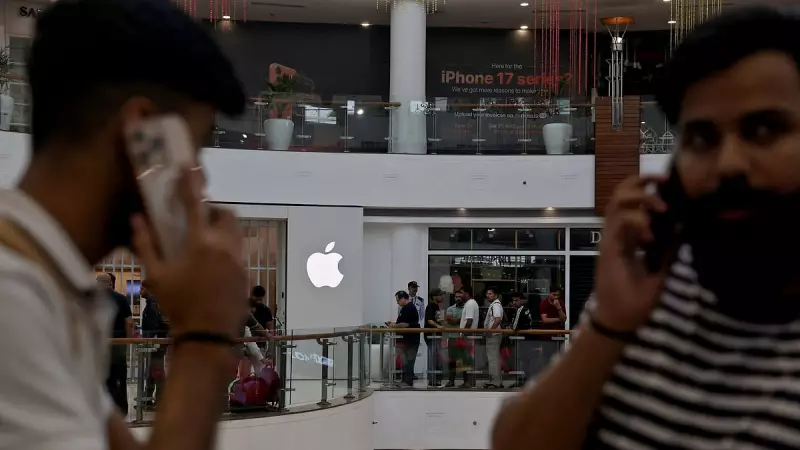
The Indian government is actively considering a significant expansion of its surveillance capabilities, specifically targeting the precision of mobile phone location tracking. This move has triggered strong opposition from global technology leaders, including Apple, Google, and Samsung.
Government Seeks Pinpoint Accuracy
For several years, the administration under Prime Minister Narendra Modi has expressed concern over a critical gap in its investigative toolkit. When law enforcement agencies make legal requests to telecom companies for a suspect's location, the data provided is often imprecise. The current system relies on cellular tower triangulation, which can only estimate a user's location within an area spanning several meters. This lack of pinpoint accuracy is seen as a hindrance in time-sensitive investigations, from national security threats to criminal cases.
Tech Titans Voice Their Opposition
The proposal to mandate more precise location data sharing has met with immediate resistance from major smartphone and operating system manufacturers. Companies like Apple, Google, and Samsung have formally protested the plan. Their concerns are believed to center on user privacy, the technical and security implications of providing such granular data, and the potential for setting a concerning precedent for surveillance overreach. The tech giants argue that such measures could undermine the encryption and privacy safeguards built into their devices and services.

A Clash Between Security and Privacy
This development sets the stage for a classic confrontation between state security interests and individual digital privacy rights. On one side, the government, as reported by Reuters on December 5, 2025, emphasizes the need for enhanced tools to maintain law and order. On the other, the protesting companies and digital rights advocates warn of the risks associated with creating a system for constant, precise location tracking of citizens. The outcome of this debate will have profound implications for India's telecom industry, its relationship with global technology firms, and the privacy norms for millions of Indian smartphone users.
The push for greater surveillance precision reflects a global trend where governments are seeking more access to digital data. However, the strong protest from the world's most influential tech companies ensures that India's decision will be closely watched internationally. The resolution will need to carefully balance legitimate security needs with the fundamental right to privacy, a principle upheld by the Indian judiciary.