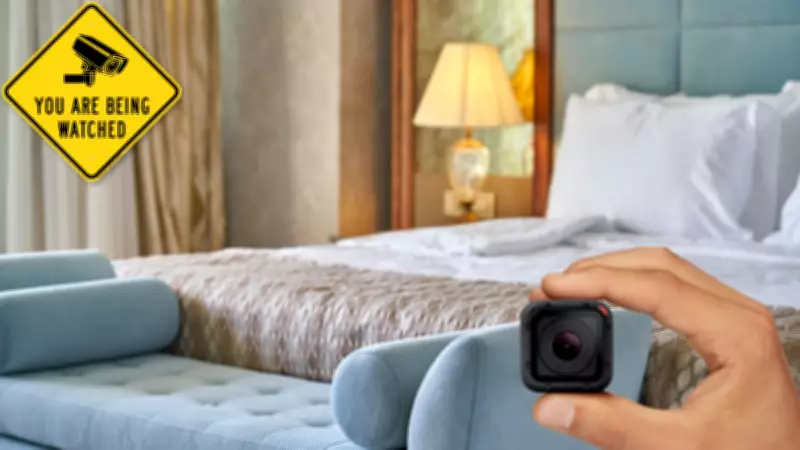
Hidden Cameras in Hotel Rooms: A Comprehensive Guide to Detecting Surveillance
In today's digital age, privacy concerns have escalated, particularly in shared spaces like hotel rooms. Reports of hidden cameras being used for illicit surveillance have raised alarms among travelers worldwide. This article provides a detailed, step-by-step guide on how to check if you are being watched in your hotel room, empowering you with practical knowledge to safeguard your personal space.
Understanding the Threat of Hidden Cameras
Hidden cameras, often disguised as everyday objects such as smoke detectors, clocks, or electrical outlets, can be surreptitiously placed in hotel rooms by malicious actors. These devices are designed to capture audio and video without consent, violating privacy and potentially leading to blackmail or identity theft. The proliferation of affordable, miniaturized technology has made it easier for such surveillance to go undetected, making vigilance crucial for travelers.
Physical Inspection Techniques
Begin with a thorough physical inspection of your hotel room upon arrival. Focus on areas where cameras are commonly hidden:

- Check Common Objects: Examine items like mirrors, picture frames, and decorative pieces for unusual holes or lenses. Use a flashlight to look for reflective surfaces that might indicate a camera lens.
- Inspect Electrical Devices: Pay close attention to smoke detectors, alarm clocks, and power outlets. These are frequent hiding spots due to their access to power sources.
- Look for Unusual Wires: Be wary of any wires that seem out of place or lead to suspicious locations, as they could be connected to recording equipment.
Using Technology to Detect Cameras
Leverage technology to enhance your detection efforts:
- Smartphone Apps: Download apps designed to detect hidden cameras by scanning for infrared signals or unusual network activity. These tools can help identify devices that are not visible to the naked eye.
- RF Detectors: Radio frequency (RF) detectors can pick up signals emitted by wireless cameras. Sweep the room with an RF detector to locate any transmitting devices.
- Network Scans: Use your smartphone or laptop to scan the Wi-Fi network for unknown devices. Hidden cameras often connect to local networks, making them detectable through network analysis tools.
Preventive Measures and Best Practices
Beyond detection, adopt preventive habits to minimize risks:
- Cover Suspect Areas: Use tape or cloth to cover any potential camera lenses you find, especially in private areas like bathrooms.
- Report Suspicious Findings: Immediately inform hotel management and local authorities if you discover a hidden camera. This not only protects you but also helps prevent future incidents.
- Stay Informed: Keep up with the latest news and tips on privacy protection, as technology and tactics evolve rapidly.
Legal and Ethical Considerations
It is important to note that installing hidden cameras in hotel rooms without consent is illegal in most jurisdictions, constituting a severe breach of privacy laws. Travelers should be aware of their rights and the legal recourse available if they fall victim to such surveillance. Advocating for stricter regulations and hotel accountability can also contribute to safer travel environments.
In conclusion, while the thought of hidden cameras in hotel rooms is unsettling, being proactive and informed can significantly reduce the risk. By combining physical inspections with technological tools and adhering to best practices, you can enjoy your travels with greater peace of mind, knowing you have taken steps to protect your privacy.