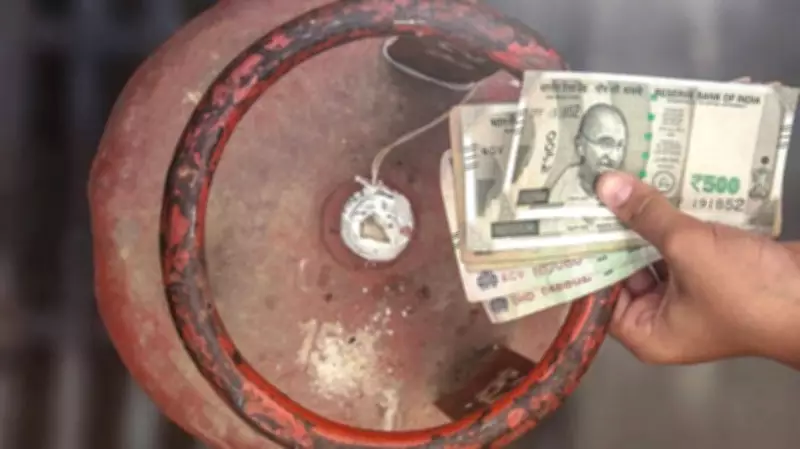
Gas Cylinder Scam Alert: Two Women in Kalyan-Dombivli Lose Money to Fake APK
In a concerning incident of cybercrime, two women from Kalyan-Dombivli, Maharashtra, have become victims of an online fraud scheme involving a fake "gas information update" scam. According to ACP Suhas Hemade, the women received unsolicited calls from an unknown individual claiming to represent Mahanagar Gas Limited.
How the Scam Unfolded
The fraudster, posing as a legitimate gas company official, instructed the women to download and open an APK (Android Package Kit) file under the guise of updating their gas cylinder booking information. This malicious file was designed to compromise their devices and potentially steal sensitive personal and financial data.
This scam exploits the ongoing concerns about gas cylinder shortages in the region, with cybercriminals leveraging the anxiety of consumers seeking immediate cylinder deliveries. As noted by V.C. Sajjanar, IPS, in a related warning, scammers are targeting innocent individuals searching online for gas bookings, promising quick cylinder deliveries or additional cylinders to lure them into their traps.

Authorities Issue Warnings
Law enforcement officials have emphasized the need for public vigilance. ACP Hemade highlighted that such scams often involve impersonation of trusted entities to gain victims' trust. The police are investigating the case to track down the perpetrators and prevent further incidents.
In response, cybersecurity experts advise consumers to:
- Verify the authenticity of any unsolicited calls or messages claiming to be from gas companies.
- Avoid downloading APK files from unknown sources, as they can contain malware.
- Use official apps and websites for gas bookings and updates.
- Report suspicious activities to local authorities immediately.
This incident underscores the growing trend of online frauds in India, where scammers adapt to current events—like gas shortages—to deceive people. Residents are urged to stay informed and cautious to protect themselves from such cyber threats.