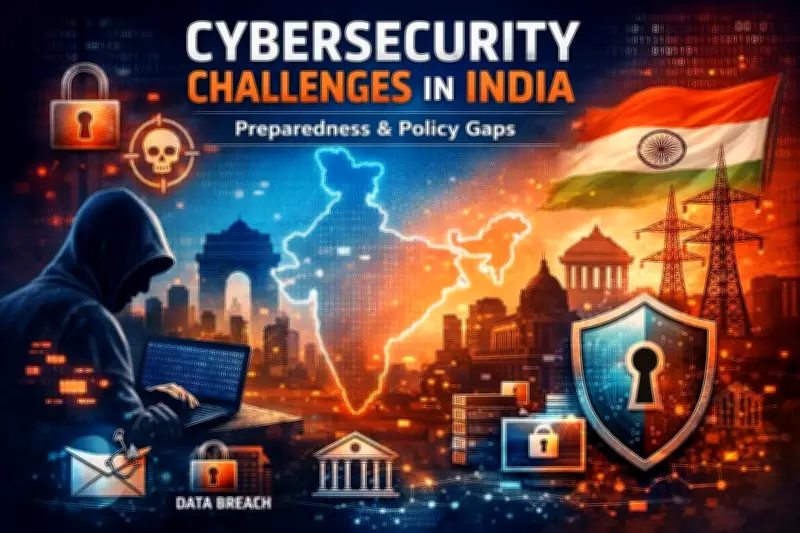
Cybersecurity Challenges in India: An In-Depth Analysis
India is rapidly digitizing its economy and society, but this progress brings with it a host of cybersecurity challenges. As the nation embraces digital transformation, the threats from cyberattacks have escalated, exposing vulnerabilities in critical infrastructure, government systems, and private enterprises. The increasing frequency and sophistication of these attacks highlight urgent concerns about India's preparedness and the existing policy gaps that need to be addressed.
Current Cybersecurity Threats and Vulnerabilities
The landscape of cyber threats in India is diverse and evolving. Key vulnerabilities include:
- Critical Infrastructure Attacks: Sectors such as energy, finance, and healthcare are prime targets for ransomware and data breaches, risking national stability.
- Government Data Breaches: Incidents involving sensitive information from public agencies underscore weaknesses in security protocols.
- Phishing and Social Engineering: These tactics exploit human error, leading to unauthorized access and financial losses for individuals and businesses.
- State-Sponsored Cyber Espionage: Activities by foreign actors aim to steal intellectual property and disrupt strategic operations.
These threats are compounded by a shortage of skilled cybersecurity professionals and outdated technology in many organizations, making it harder to defend against advanced attacks.

Policy Gaps and Regulatory Framework
India has made strides with initiatives like the National Cyber Security Policy and the establishment of CERT-In, but significant policy gaps remain. Key issues include:
- Fragmented Regulations: Multiple laws and agencies often lead to overlapping jurisdictions and inconsistent enforcement, creating confusion in crisis response.
- Inadequate Data Protection: While the Digital Personal Data Protection Act is a step forward, its implementation and coverage need strengthening to match global standards.
- Limited Public Awareness: Many citizens and small businesses lack knowledge about basic cybersecurity practices, increasing their susceptibility to attacks.
- Underfunding in Research: Insufficient investment in cybersecurity research and development hampers innovation in threat detection and mitigation.
These gaps hinder India's ability to proactively manage cyber risks and coordinate effective responses during incidents.
Preparedness and Government Initiatives
To enhance cybersecurity preparedness, the Indian government has launched several measures. The National Cyber Security Strategy aims to create a secure digital ecosystem, focusing on capacity building and public-private partnerships. CERT-In plays a crucial role in monitoring and responding to cyber incidents, while initiatives like Cyber Swachhta Kendra promote malware cleaning and awareness.
However, challenges persist in scaling these efforts. The rapid adoption of technologies like 5G and IoT introduces new vulnerabilities, requiring updated strategies and continuous training for personnel. Collaboration with international bodies is also essential to address cross-border cyber threats effectively.
The Road Ahead: Strengthening India's Cybersecurity
Moving forward, India must adopt a comprehensive approach to overcome its cybersecurity challenges. Key recommendations include:
- Unified Policy Framework: Develop a cohesive national strategy that integrates all sectors and ensures clear accountability.
- Enhanced Skill Development: Invest in education and training programs to build a robust workforce of cybersecurity experts.
- Public-Private Collaboration: Foster partnerships between government, industry, and academia to share threat intelligence and best practices.
- Regular Audits and Updates: Implement mandatory security assessments for critical infrastructure and keep regulations agile to adapt to emerging threats.
By addressing these areas, India can better safeguard its digital future, ensuring economic growth and national security in an increasingly connected world.