The familiar beep of a contactless payment has become the soundtrack of modern travel. Tapping a card or phone is quick, easy, and feels utterly secure. However, a subtle new threat is emerging from within this very convenience, turning a routine action into a potential financial pitfall for unsuspecting travellers.
What Exactly is the 'Ghost Tapping' Scam?
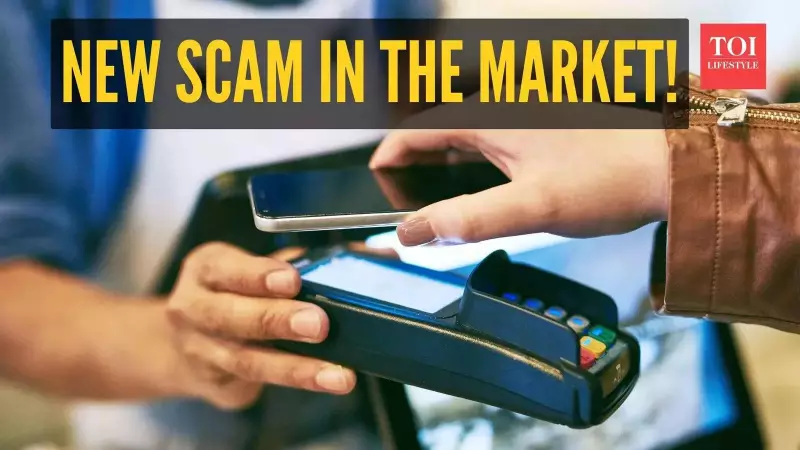
This fraud, widely referred to as 'ghost tapping,' exploits the Near Field Communication (NFC) technology that powers our tap-to-pay systems. In essence, scammers attempt to initiate a payment from your device without your full knowledge or consent. The modus operandi often involves fraudsters posing as legitimate vendors, asking you to tap for a minor purchase. The catch? The amount that gets processed is significantly larger than agreed. By the time you glance at a notification or your bank statement, the transaction is complete and your money is gone.
Why Travellers Are Prime Targets
The environment plays a crucial role. This scam predominantly surfaces in crowded, high-traffic locations where people are distracted. Think bustling international airports, packed local markets, vibrant festivals, or busy metro stations. Here, individuals are often juggling luggage, tickets, and maps, with their attention divided. Scammers bank on this momentary lapse. A quick tap without verifying the amount on the payment terminal's screen is all they need.

This is not an isolated issue confined to one region. While comprehensive official statistics are scarce, numerous media reports have highlighted incidents across the globe. Popular tourist destinations like the United States, the United Kingdom, Spain, France, Italy, Thailand, and Indonesia have all seen reports of such fraud. For the weary traveller, the speed of contactless payment is a blessing, but in the rush, it's easy to miss an incorrect charge or dismiss a fleeting phone notification.
How to Safeguard Yourself Without Abandoning Convenience
You don't need to revert to cash-only transactions. A few simple, proactive steps can dramatically reduce your risk. Start by managing your device's NFC settings. Turn off the NFC function on your smartphone when you are not actively making a payment. Activate it only at the moment of transaction. For your physical cards, consider using an RFID-blocking wallet or card sleeve, which creates a protective barrier against unauthorized scans.
Always trust your instincts. If a payment terminal or a vendor's setup seems suspicious or unprofessional, opt for a different payment method or walk away. Most importantly, ensure that real-time transaction alerts from your bank are enabled. This gives you immediate visibility into any activity on your account, allowing for swift action.
Contactless payment remains a revolutionary tool for travellers worldwide. Yet, the rise of ghost tapping serves as a timely reminder that every convenience carries an inherent risk. Staying vigilant, consciously checking the amount before you tap, and promptly reviewing every transaction alert are small habits that can prevent significant financial loss and stress. Travel is meant for creating memories, not for dealing with the aftermath of a silent, digital scam.