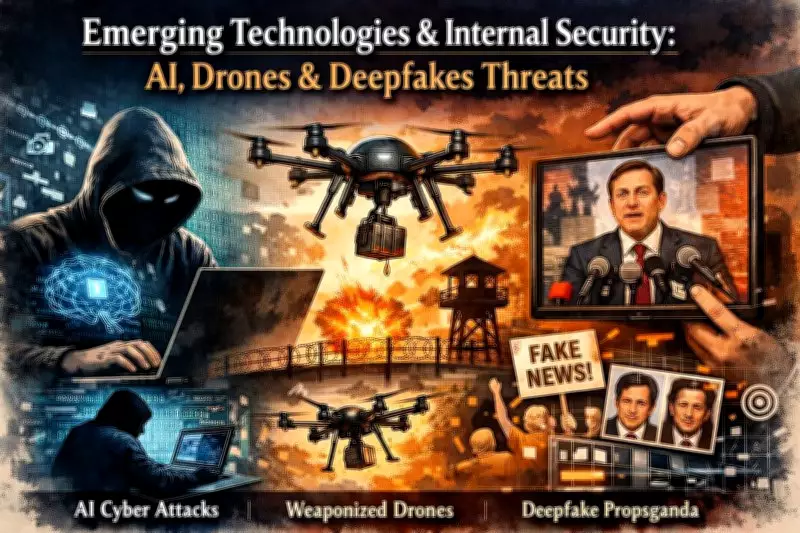
AI, Drones, and Deepfakes: The New Frontier of Internal Security Threats
Technological progress has fundamentally transformed societies, economies, and governance structures worldwide. However, the very innovations that deliver unprecedented convenience and efficiency are also introducing complex new risks. Emerging technologies such as artificial intelligence (AI), drones, and deepfakes are increasingly being weaponized by criminal networks, terrorist organizations, and hostile state actors, reshaping the nature of internal security challenges across the globe.
The Dual-Edged Sword of Technological Innovation
While advancements in technology have driven economic growth and improved public services, they have simultaneously created vulnerabilities that malicious entities exploit. The rapid proliferation of these tools has outpaced regulatory frameworks, leaving security agencies struggling to adapt to this evolving threat landscape.
Artificial Intelligence: A Powerful Tool for Malicious Actors
Artificial intelligence systems, once hailed as solutions to numerous problems, are now being repurposed for harmful activities. AI algorithms can automate cyberattacks, making them more sophisticated and difficult to detect. These systems enable:

- Automated hacking and data breaches
- Social engineering attacks at scale
- Disinformation campaigns that target specific demographics
Furthermore, AI-driven surveillance technologies can be used by authoritarian regimes to suppress dissent, while autonomous weapons systems raise ethical and security concerns about uncontrolled escalation in conflicts.
Weaponized Drones: From Commercial Gadgets to Security Threats
Once considered recreational devices or commercial tools, drones have evolved into significant security threats. Weaponized drones are now accessible to non-state actors, enabling:
- Unauthorized surveillance of critical infrastructure
- Smuggling of contraband across borders
- Direct attacks on military and civilian targets
The low cost and widespread availability of drone technology have democratized aerial threats, making it challenging for traditional defense systems to counter these agile, low-altitude vehicles effectively.
Deepfake Propaganda: Undermining Trust in Institutions
Deepfake technology, which uses AI to create hyper-realistic fake audio and video content, represents perhaps the most insidious emerging threat. These manipulated media can be used to:
- Spread false information during elections
- Damage reputations of public figures
- Incite violence by fabricating inflammatory statements
The erosion of trust in visual and audio evidence threatens the very foundation of democratic discourse and judicial processes, creating a "reality crisis" where citizens can no longer trust what they see or hear.
The Global Security Landscape in the Digital Age
These emerging technologies do not respect national borders, creating transnational security challenges that require international cooperation. Criminal networks leverage AI for cross-border financial crimes, while terrorist groups use drones for attacks in conflict zones. Deepfakes circulate globally through social media platforms, amplifying their disruptive potential.
Security agencies worldwide are now forced to develop new capabilities to counter these threats, investing in technological countermeasures and updating legal frameworks to address these novel challenges. The race between technological innovation and security adaptation has become a defining feature of 21st-century internal security.