Indian oncologists are increasingly turning to Chinese-developed cancer medicines as a cost-effective alternative to expensive drugs from multinational corporations. A recent case from Mumbai highlights this growing trend.
Patient Case: A Turning Point
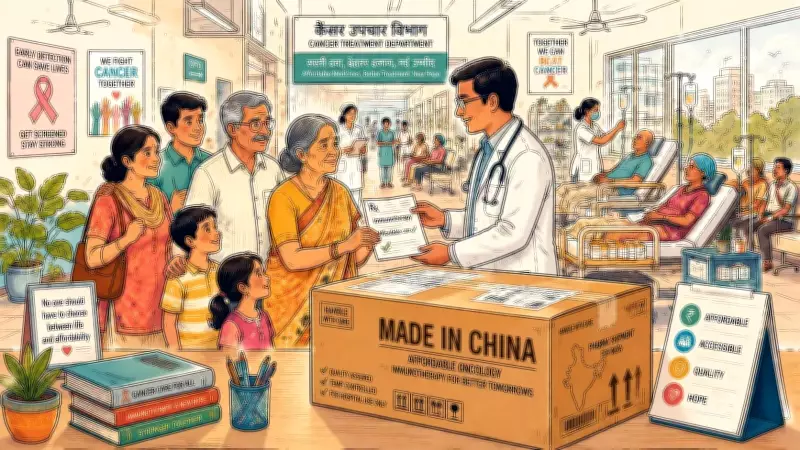
Dr. Vijay Patil, a cancer specialist at PD Hinduja Hospital in Mumbai, treated a 72-year-old patient from Dahanu with advanced small-cell lung cancer. The standard drug from a multinational company was unaffordable for the patient. Dr. Patil prescribed a newly approved, lower-cost immunotherapy developed in China and marketed in India through a local partnership.
“Administered alongside chemotherapy, it delivered a strong clinical response within four cycles,” Dr. Patil said. “The patient has since transitioned to maintenance immunotherapy and remains stable.” This case illustrates how affordable innovation can improve cancer care outcomes in India.

Why Chinese Drugs?
The high cost of patented cancer drugs from Western pharmaceutical giants often places them out of reach for many Indian patients. Chinese manufacturers have developed similar biologics and immunotherapies at significantly lower prices, making treatment accessible to a broader population. These drugs are approved by Indian regulators and are available through local partnerships, ensuring quality and safety.
Indian oncologists are adopting these alternatives not only for their affordability but also for their efficacy. Clinical trials and real-world evidence have shown comparable outcomes to more expensive counterparts. This shift is particularly important in a country where out-of-pocket healthcare expenses can push families into financial distress.
Impact on Cancer Care
The availability of Chinese cancer medicines is reshaping oncology practice in India. It allows doctors to offer effective treatment to patients who might otherwise go untreated. For example, in non-small cell lung cancer, Chinese checkpoint inhibitors have shown response rates similar to global standards, but at a fraction of the cost.
Dr. Patil emphasized that such options are crucial in a resource-limited setting. “We can now provide life-saving treatment to patients who cannot afford the high prices of multinational drugs,” he said. The trend is expected to grow as more Chinese companies seek regulatory approvals in India.
Broader Implications
The reliance on Chinese medicines also raises questions about the sustainability of the global pharmaceutical market. While it benefits patients in the short term, it could impact the profitability of Western drugmakers and potentially reduce their investment in research and development. However, for Indian patients, the immediate need for affordable cancer care outweighs these concerns.
As the demand for cost-effective cancer therapies rises, more partnerships between Chinese and Indian companies are likely. This could lead to a wider range of drugs becoming available, further improving access to treatment for millions of Indians.