California Union Calls for Immediate Suspension of Waymo Robotaxi Operations
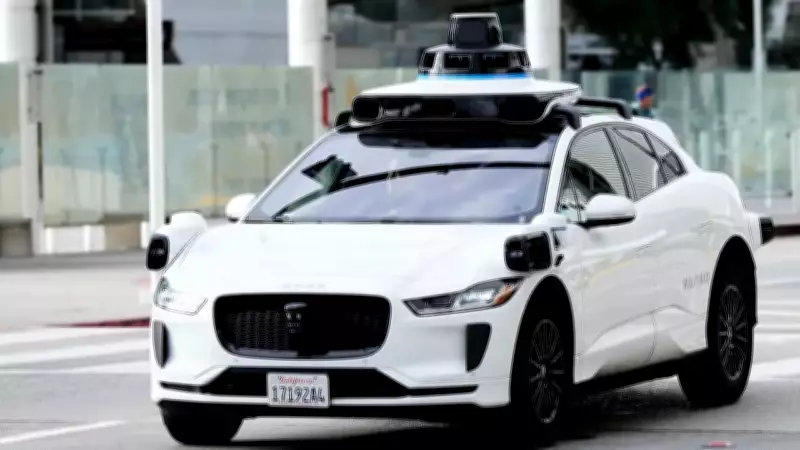
Google-owned autonomous vehicle company Waymo is facing mounting pressure to halt its operations in California. The demand comes from the Teamsters of California, a union representing approximately 250,000 workers across the state, which has formally requested that state regulators revoke Waymo's operating license.
Safety Incident Sparks Union Action
This urgent call follows a concerning incident less than two weeks ago when a Waymo self-driving taxi struck a child near an elementary school in Santa Monica. The National Highway Traffic Safety Administration has since opened an investigation into this collision, adding to previous NHTSA probes and recalls involving Waymo vehicles.
In a statement obtained by the LA Times, Teamsters California co-chairs Peter Finn and Victor Mineros described the elementary school incident as a "horrifying wake-up call for California policymakers who have repeatedly ignored the growing list of red flags concerning robotaxis."

Waymo's Response and Safety Claims
Waymo responded to the incident last week, stating: "We are committed to improving road safety, both for our riders and all those with whom we share the road. Our peer-reviewed model shows that a fully attentive human driver in this same situation would have made contact with the pedestrian at approximately 14 mph."
However, this response has done little to assuage concerns from labor representatives and community members who question the broader implications of autonomous vehicle deployment.
Broader Concerns About Autonomous Technology
The Teamsters' demand extends beyond this single incident to encompass wider safety and employment concerns. Peter Finn highlighted potential emergency scenarios, asking: "Imagine a scenario where more and more of these vehicles are on the street, and there's an earthquake. There's people trying to evacuate, there's emergency response, and these things can't move at all."
This concern is not hypothetical. In December 2025, stationary Waymo vehicles blocked San Francisco streets following a power outage, demonstrating potential vulnerabilities in autonomous vehicle systems during infrastructure failures.
Job Security and Economic Impact
Beyond safety issues, the union emphasizes the threat autonomous vehicles pose to Californians who depend on driving jobs for their livelihood. As companies develop autonomous vehicle technology, the Teamsters express concern that corporations will eliminate human jobs to lower labor costs.
A statewide poll conducted last year by Teamsters California revealed that more than 80% of respondents expressed concern about the impact of AI and automation on job availability.
The union's statement elaborated: "This incident is emblematic of the broader goal Big Tech companies have to replace skilled human labor with AI ... and force our communities to reckon with the fallout of automation's shortcomings."
Legislative Efforts and Broader Industry Context
Teamsters California is currently leading a legislative effort to require a human operator to be present in autonomous commercial delivery vehicles at all times. This initiative reflects growing concerns about autonomous trucks, which the union says could eliminate thousands of jobs while potentially creating safety hazards.
Finn explained: "The stakes get even higher when we're talking about trucks and delivery vehicles. It feels like the regulators, in this case the CPUC and the Department of Motor Vehicles, should have to do more to get a handle on this."
The autonomous vehicle landscape in California extends beyond Waymo. Kodiak AI, based in Mountain View, is developing autonomous semi-trucks it claims will improve safety and efficiency. Meanwhile, Tesla continues work on its robotaxi technology, with Elon Musk having shared plans for self-driving cargo trucks.
As California regulators consider the Teamsters' demands, the debate highlights the complex balance between technological innovation, public safety, and economic stability in an increasingly automated transportation future.